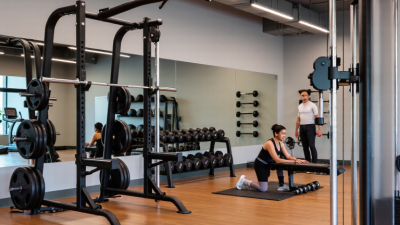
How to Choose Commercial Strength Equipment for Your Gym?
Choosing commercial strength equipment is not simply a matter of comparing prices, brands, or polished showroom photographs. It is a decision about safety, member behavior, maintenance, and long-term revenue. The 2024 ACSM Worldwide Survey ranked traditional strength training fifth among global fitness trends. That result signals sustained demand for racks, cable systems, selectorized machines, benches, and free weights. However, popularity alone does not justify every purchase. A crowded room can expose poor equipment choices quickly.
The Health & Fitness Association’s 2024 Global Report also shows a large, competitive fitness market, with membership and facility investment continuing across major regions. In this environment, equipment must support different body sizes, training abilities, and workout goals. Dr. Wayne Westcott, a respected strength-training researcher, describes strength training as “a key to maintaining functional independence.” His point matters for equipment buyers. A stable bench, clear adjustment points, and controlled resistance can affect confidence as much as performance. Small details matter.
A practical selection process should examine frame durability, upholstery, cable travel, weight-stack increments, spare-part access, and floor-space efficiency. Watch real users test the equipment. Observe a beginner adjusting a seat while the room is busy. Listen for metal impact, cable friction, and awkward movement paths. No formula is perfect. A spreadsheet cannot predict every shoulder, grip, or rushed evening session. That is where many buying plans fail. The right commercial strength equipment balances biomechanics, traffic flow, service support, and measurable business value. This guide explains how to assess those factors before signing a purchase order.
Read more »
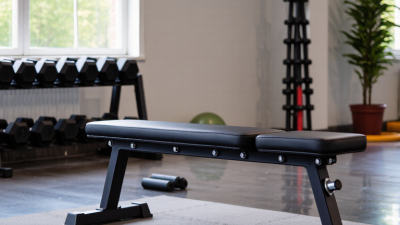
 By:Evelyn
- October 31, 2026
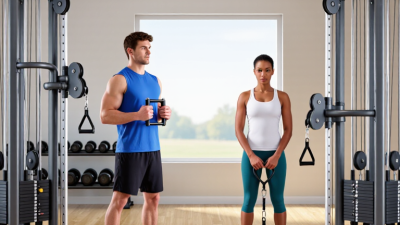
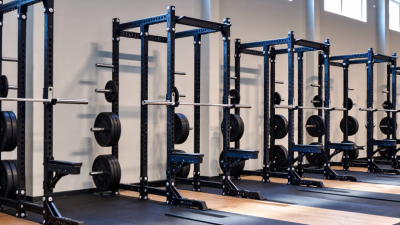
 By:Clara
- October 21, 2026
 By:Amelia
- October 11, 2026