Buying commercial treadmills is a practical investment in member experience, facility safety, and long-term operating costs. A machine may look sturdy on a showroom floor, yet daily use can reveal weak points: a noisy belt, awkward controls, or a console that is hard to clean. The right choice depends on who will use it, how often, and where it will sit. Busy fitness clubs have different needs from hotel gyms, rehabilitation spaces, or apartment fitness rooms.
These ten tips will help you compare models beyond their price tags. Look closely at motor ratings, belt size, cushioning, user capacity, and the warranty terms. Ask suppliers how routine maintenance works and whether replacement parts are readily available. A clear service plan matters when one out-of-order treadmill disrupts a crowded workout area. Check the equipment in person if possible. Walk, jog, and adjust the incline; small control differences can matter over a full shift. Not every premium feature earns its cost, and specifications alone do not guarantee durability. That is easy to forget when brochures look convincing. Consider noise, floor space, electrical requirements, and cleaning access before ordering, too. Reliable guidance should come from documented specifications, clear service commitments, and a supplier willing to answer specific questions. With a careful shortlist, commercial treadmills can better fit your space, users, and budget—and avoid an expensive mismatch.
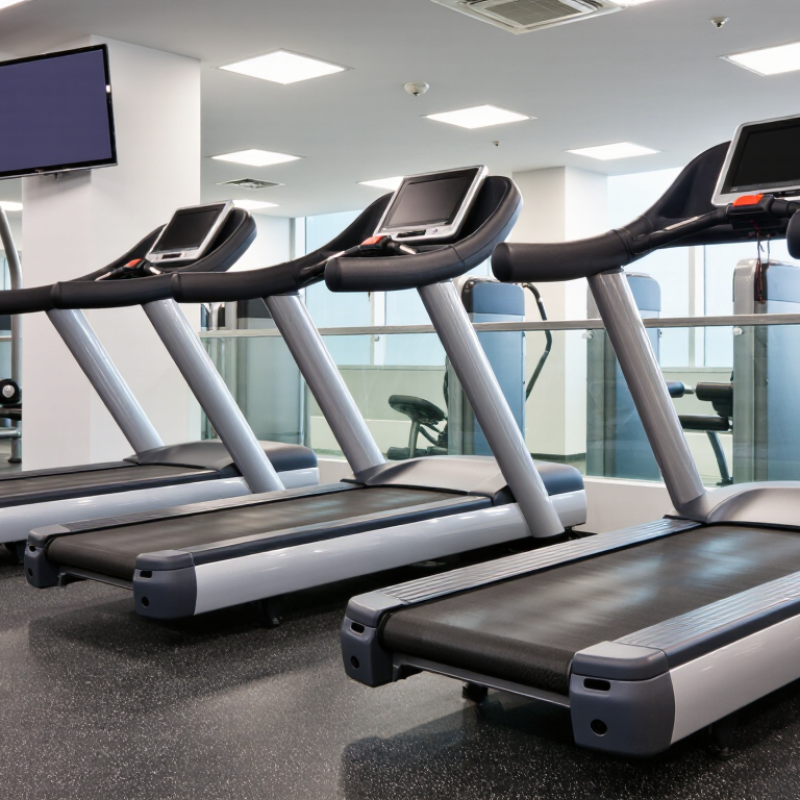
Before comparing commercial treadmills, map how your facility will actually use them. A hotel gym may see short bursts before breakfast, while a community fitness center may stay busy for hours. Count available floor space, likely users, and peak periods. Then estimate how many people may want a treadmill at the same time. Not the daily total—the rush matters.
Watch the room during its busiest hour. Note queues, workout lengths, and whether users walk, jog, or run. These details affect how many machines you need and how heavily each one may be used. Ask staff about seasonal changes, too. Usage can shift more than expected. It is easy to misjudge demand from a quiet afternoon visit. Leave enough clearance for safe movement, maintenance access, and comfortable entry, rather than filling every open corner. If your estimates feel uncertain, track traffic for a week and revise them. A simple count can reveal gaps in your assumptions. Peaks first. Guessing is not planning.
| Facility Type | Typical Daily Users | Peak Concurrent Users | Likely Daily Operating Time | Planning Estimate: Treadmills | Usage Considerations |
|---|---|---|---|---|---|
| Small apartment fitness room | 10–25 | 2–4 | 2–5 hours | 2–3 | Prioritize dependable construction, simple controls, and a service plan suited to shared residential use. |
| Medium-sized workplace gym | 20–50 | 3–6 | 3–6 hours | 3–5 | Check lunchtime demand, available floor space, electrical supply, and the expected range of user weights and fitness levels. |
| Community recreation center | 50–150 | 6–12 | 6–10 hours | 6–10 | Plan for varied users, frequent use, clear walkways, routine inspections, and prompt access to replacement parts. |
| Commercial fitness club | 150–500+ | 10–25+ | 12–18 hours | 12–25+ | Expect sustained, high-volume use. Evaluate commercial-duty ratings, warranty terms, service response, and equipment uptime. |
| Hotel fitness room | 10–40 | 2–5 | 4–10 hours | 2–4 | Allow for irregular demand throughout the day; favor intuitive operation and straightforward cleaning and maintenance. |
| Physical therapy or supervised training facility | 10–60 | 2–6 | 4–8 hours | 2–5 | Consider handrails, accessible controls, low starting speeds, and features appropriate to supervised programs. |
Planning note: These are illustrative starting estimates, not fixed sizing rules. Track peak-time demand, average session length, and maintenance downtime before finalizing the number and duty rating of treadmills.
Focus on continuous-duty output, not the highest peak-horsepower figure. Ask how the rating was measured. Labels may not compare fairly. Test walking and running speeds. Listen for surging, vibration, or belt hesitation.
Check usable belt length and width, not only the outside frame size. Taller runners need space for longer strides. Try a brisk walk, then a run. A short deck can feel cramped.
Examine welded joints, handrails, deck support, and service access. Look underneath the deck for flex. Run briefly and check whether the frame rocks. Weight alone proves little. I would not trust appearance alone.
Test the emergency stop beside the treadmill. It should be clearly marked and easy to reach. Pull the safety key from clothing. The belt should stop quickly. Check that rails and the deck stay firm.
Controls should be readable from a natural standing position. Test speed, stop, start, and incline buttons while walking. Overly sensitive buttons may cause accidental changes. A crowded screen can distract users. Simple often wins.
Check belt width, step-up height, and display visibility under room lighting. Ask staff to try the machine. Their feedback may reveal awkward controls. A short demonstration can miss important problems.
Read coverage for the frame, motor, parts, and labor separately. Ask whether technician visits cost extra. Confirm whether heavy daily use changes coverage. Get every important answer in writing. Headline promises are incomplete.
Include delivery, installation, electricity, cleaning, service visits, and likely repairs. Ask about belts and deck components. Dust gathers near the motor area. A small parts delay can reduce available machines. I once focused too much on purchase price. That comparison was incomplete.
Choosing the right commercial treadmills begins with understanding your facility’s needs, including the number of daily users, workout intensity, available space, and expected operating hours. Buyers should compare motor power, belt size, cushioning, running surface quality, and frame durability to ensure the equipment can handle frequent use. Safety features such as emergency stop functions, stable handrails, clear controls, and user-friendly displays also play an important role in creating a positive exercise experience.
It is equally important to review warranty coverage, maintenance requirements, replacement parts, and total ownership costs rather than focusing only on the initial purchase price. Before ordering, plan for delivery access, professional installation, electrical requirements, and future technical support. A well-planned purchase will improve user satisfaction, reduce downtime, and help the facility maintain reliable performance over the long term.