American-Made Commercial Strength & Cardio Equipment  |  Serving Gyms, Schools, Military & Public Safety Worldwide

0%

Choosing a free weight bench is not just about finding the lowest price. It is about matching the bench to your lifts, your space, and the weight you plan to use. A narrow frame may wobble during heavy dumbbell presses. A thick pad can make your shoulders feel pushed forward. Small details matter.

Strength coach and author Dan John offers a useful training principle: “The goal is to keep the goal the goal.” For bench shopping, that means choosing equipment that supports your actual workouts—not features that merely look impressive. This guide examines the essentials: flat versus adjustable designs, weight capacity, frame stability, pad dimensions, and storage. It also explains which specifications deserve close attention and which may matter less for your routine.

Check the bench on the floor. Does it rock? Do the feet sit evenly? Can you adjust the backrest without pinching your fingers? If possible, test the pad with your usual lifting position. Product descriptions rarely capture how a bench feels under a real set. A low price can be appealing, but thin padding or awkward adjustment may become frustrating over time. That said, paying more does not guarantee a better fit. The right choice depends on your exercises, available room, and budget—and sometimes the best option is simply the one you can use safely and consistently.
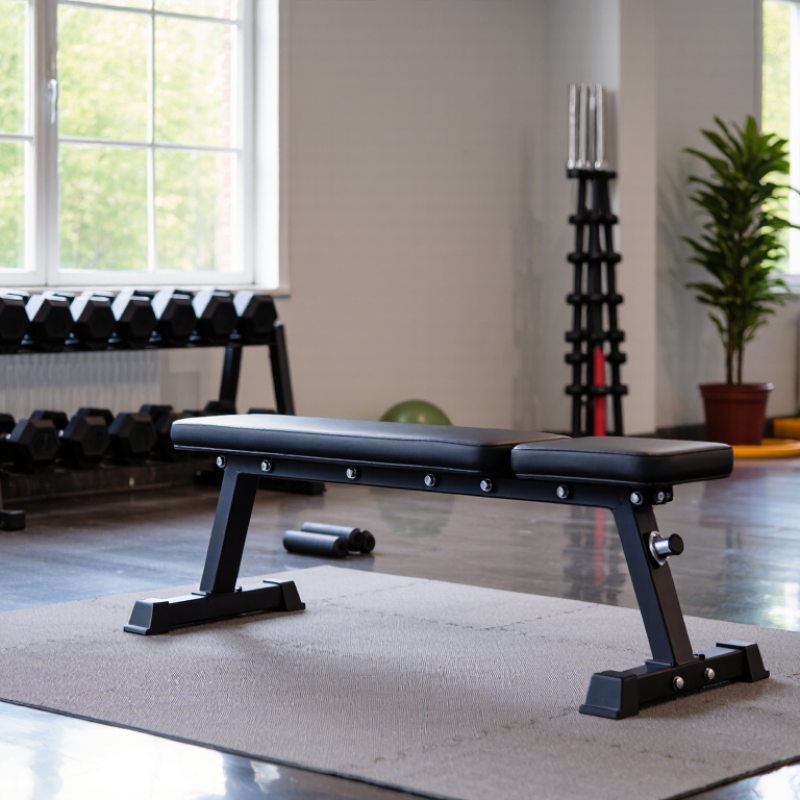
How to Choose the Best Free Weight Bench?

Identify Your Training Goals and Space Requirements

How to Choose the Best Free Weight Bench?

Identify your training goals and available space before comparing bench features. For dumbbell presses, rows, and seated shoulder work, a stable flat bench may be enough. If you plan to train at different angles, consider an adjustable bench with secure, easy-to-check locking points. ACSM’s 2023 Worldwide Survey of Fitness Trends ranked strength training with free weights second among global fitness trends. That signals broad interest, not a guarantee that every home needs a bench. Choose for the exercises you will actually do.

Tips: Measure the floor area and the bench’s full footprint when adjusted, not just its folded size. Leave room to lift and reposition dumbbells safely. Check the listed weight capacity, including your body weight and the weights you plan to use. A tape measure helps. One easy mistake is choosing the smallest bench and discovering that its narrow pad feels unstable during presses.

Before buying, note where the bench will live and whether you can move it without blocking a doorway. A folding model may suit a shared room, while a heavier bench can feel steadier but take more effort to store. Look for clear assembly instructions, firm padding, and feet that sit evenly on your floor. If possible, test the bench in person: comfort is personal, and a specification sheet cannot tell you how the pad feels under your shoulders.

Compare Flat, Adjustable, and Specialty Bench Designs

A flat bench is the simplest design: one padded surface, fixed in place. It suits presses, dumbbell rows, and step-ups, and usually takes up less space than adjustable models. Check that its feet sit evenly on your floor and that the pad does not rock under pressure. Simple helps. But a fixed angle limits exercise options, so it may feel restrictive as your routine changes.

An adjustable bench adds incline and sometimes decline settings. This makes it useful for changing pressing angles without buying another bench. Look closely at the backrest’s adjustment points; a loose pin or awkward gap can interrupt a set. Also check the seat angle and the bench’s weight rating, including your body weight and the load you lift. More settings are not automatically better. A heavy frame can feel reassuring, but it may be harder to move or store.

Specialty designs, such as preacher-curl or abdominal benches, support specific movements. They can make positioning clearer, though they use space for fewer exercises. Measure the bench footprint, then leave room to carry dumbbells around it safely. Padding matters too: a narrow or overly soft surface may shift beneath your shoulders. I would compare the bench’s stability and adjustment range before counting features; the number of settings can look impressive and still miss what you need.

How to Choose the Best Free Weight Bench? - Compare Flat, Adjustable, and Specialty Bench Designs

Bench design Best suited for Common adjustments or features Advantages Trade-offs What to check before buying
Flat bench Basic dumbbell and barbell presses, rows, step-ups, and general strength training. One fixed, horizontal back pad; some models fold for storage. Simple setup, stable support, and typically fewer moving parts than an adjustable bench. Does not support incline or upright seated exercises. Check pad dimensions, bench height, frame stability, floor clearance, and the manufacturer’s stated weight rating.
Adjustable bench Lifters who want flat, incline, and sometimes decline positions for varied pressing and seated dumbbell exercises. A back pad with several angle settings; many models also adjust the seat. Offers more exercise angles in one piece of equipment and can suit a range of training plans. Adjustment hardware adds complexity; some models have more pad movement or take up more space than a fixed flat bench. Look for secure locking points, minimal pad gap, a stable base, usable seat angles, and a clearly defined total weight capacity.
Specialty bench A targeted movement or setup—for example, preacher curls, abdominal exercises, or barbell pressing with a rack. Design varies by purpose and may include a curl pad, leg rollers, a decline surface, or integrated bar supports. Purpose-built supports can make a specific exercise easier to set up and perform consistently. Usually less versatile than a general-purpose bench; rack-style designs need suitable space and safe bar placement. Confirm the bench matches the intended exercise, fits the user and available space, and includes appropriate safety features for the setup.

Ratings, dimensions, adjustment ranges, and stability vary by model. Compare the specifications for the exact bench and use the manufacturer’s stated limits.

Evaluate Stability, Materials, Weight Capacity, and Adjustability

How to Choose the Best Free Weight Bench?

Stability is easier to judge in person than from a product photo. Set the bench on a level floor and press down near each corner. It should not rock, twist, or slide during a controlled movement. Check the joints, too. A little movement can feel minor in a shop, but become distracting under load. I once paid more attention to padding than to the frame; that was a poor trade-off.

Look closely at the materials. Thick steel tubing can support a sturdy frame, but construction matters as much as appearance. Inspect welds, bolts, and the finish for gaps, looseness, or rough edges. The pad should feel firm, with seams that do not pull when pressed. Vinyl is easy to wipe clean, though it may feel slippery when damp. Details matter.

Check the stated weight capacity and read how it is defined. It may include your body weight plus the weights you lift, so leave a sensible margin rather than training at the limit. Adjustability also deserves a hands-on test: move the backrest through each position and confirm the locking pin or ladder catches securely. Flat benches suit basic presses and rows; adjustable models offer more angles but add hinges and moving parts. Make sure the bench fits your space, and that you can change positions without pinching your fingers. I still find adjustment labels confusing sometimes, so clear markings are a useful, practical detail.

Check Fit with Your Equipment, Exercises, and Body Size

A free weight bench should fit your equipment, available floor space, and body—not just look sturdy. Measure the bench’s length and width, then compare them with your rack or lifting area. Leave room to move around it safely. Check that the bench height lets your feet rest flat during presses. A seat that feels slightly too high can make stable positioning harder.

Think about your regular exercises. For bench presses, confirm the pad supports your head and upper back without blocking your shoulder movement. For step-ups or hip thrusts, check the bench’s stability and usable surface. If you are taller or broader, a narrow pad may feel restrictive; if you are smaller, a wide pad can make setup awkward. Try your usual positions when possible. Small details matter. I might be tempted to choose the thickest padding, but softer is not always steadier. Recheck fit after moving the bench into your actual workout space.

Tips: Measure before ordering, and test the bench with your normal lifting shoes. Check its weight limit against your body weight and the loads you plan to use. If a position feels cramped, pause and reassess.

Compare Price, Warranty, and Long-Term Value

Price is only one part of value. A low-cost free weight bench may save money today, but loose hardware or thin padding can become a weekly annoyance. Check the frame’s stated weight capacity, dimensions, and adjustment points against your actual lifts. A compact bench that fits beside a rack is useful; one that rocks on a flat floor is not. Small details matter.

Read warranty terms carefully. Compare coverage for the frame, upholstery, and moving parts, since they may have different limits. Note whether shipping or labor costs fall to you if a repair is needed. A long warranty sounds reassuring, but exclusions can make it less helpful than expected. Keep the receipt and inspect bolts after setup. I still find this easy to overlook.

For long-term value, estimate cost per year rather than comparing prices alone. A bench used several times weekly should feel stable during presses and support controlled adjustments without sticking. If possible, test its height and pad width; a few centimeters can change comfort under load. Consider replacement pads and the availability of basic parts, too. A slightly higher price may be reasonable if construction, service, and fit are all better. But “more expensive” is not proof of quality.

FAQS

How can I choose between a flat and adjustable bench?

A flat bench works for presses, rows, and seated shoulder exercises. Choose an adjustable bench if you will use several angles.

How should I check whether a bench fits my room?

Measure its full footprint in every position, not only when folded. Leave space to lift and move dumbbells. A tape measure helps.

What does the listed weight capacity usually include?

Check whether it combines your body weight and the weights you lift. Leave a sensible margin instead of training near the stated limit.

How can I test a bench’s stability?

Place it on a level floor and press near each corner. It should not rock, twist, or slide.

Which frame and pad details deserve attention?

Inspect the welds, bolts, finish, and seams for looseness or rough edges. Firm padding and evenly placed feet matter. Details matter.

What should I check on an adjustable bench?

Move the backrest through every position and confirm its pin or ladder locks securely. Clear adjustment markings help. Test it in person.

Is a folding bench always better for a shared room?

It may save storage space, but check whether it feels steady and can move without blocking a doorway. Compact is not always comfortable.

What is an easy mistake when comparing benches?

I once focused more on padding than the frame, and later saw that was a poor trade-off. Comfort matters, but it cannot replace stability.

Conclusion

Choosing the best free weight benches starts with understanding your training goals and available space. A flat bench can suit straightforward strength exercises, while an adjustable design offers more positions for varied movements. Specialty benches may serve particular routines, but they should match the exercises you actually plan to do and fit comfortably in your workout area.

Before buying, assess stability, frame and padding materials, weight capacity, and how easily the bench adjusts. Check that its dimensions and height work with your body size and existing equipment, and consider whether it supports the movements in your training plan. Finally, compare prices alongside warranty coverage and expected durability. A bench that feels secure, fits your setup, and meets your needs over time may offer better value than simply choosing the lowest-cost option.


Evelyn

Evelyn

Evelyn is a professional marketing specialist with a strong understanding of the company’s products, services, and customer needs. She regularly contributes expert articles to the company website, sharing clear, practical insights that help readers understand product features, applications, and the......