American-Made Commercial Strength & Cardio Equipment  |  Serving Gyms, Schools, Military & Public Safety Worldwide

0%

Why Choose Selectorized Strength Machines for Your Gym?

A well-planned gym needs equipment that supports safe, repeatable training. Selectorized strength machines use adjustable weight stacks, clear exercise paths, and labeled settings. These features can help beginners learn resistance training without managing loose plates or balancing complex equipment. They also allow members to record settings, repeat workouts, and track progress more easily.

Wayne Westcott, Ph.D., a respected strength-training researcher, has emphasized that “strength training is the most effective way to increase muscle strength and muscle mass.” Selectorized strength machines apply this principle in a practical format. A member can sit down, adjust the seat, select a moderate load, and begin with controlled movement. That simplicity matters during busy hours. It can also reduce hesitation among older adults, rehabilitation clients, and first-time users.

Still, these machines are not a complete solution. They may limit natural movement patterns, occupy valuable floor space, and require regular cable, upholstery, and weight-stack inspections. A poor setup can make even excellent equipment uncomfortable. I would not claim that machines outperform free weights in every situation. The better question is whether they match your members, coaching standards, maintenance budget, and available space.

For many facilities, the answer is yes. Selectorized strength machines can create a dependable foundation for progressive resistance training. Their value comes from thoughtful programming, visible instruction, and consistent upkeep—not from the equipment alone.
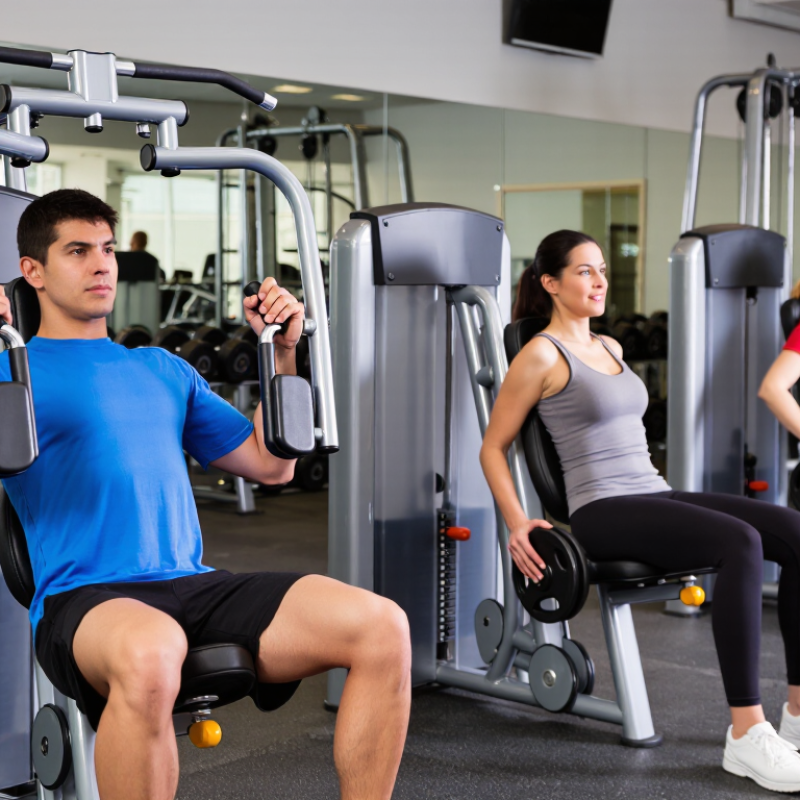
Why Choose Selectorized Strength Machines for Your Gym?

What Are Selectorized Strength Machines?

Why Choose Selectorized Strength Machines for Your Gym?

What Are Selectorized Strength Machines?

Selectorized strength machines use a built-in weight stack, pulley system, and adjustable seat. A metal pin selects the training load within seconds. Each machine guides the user through a defined movement pattern. This design can reduce setup errors and make resistance training easier to understand.

In practical gym use, beginners often appreciate the clear instructions and stable positioning. Experienced members may also use these machines for controlled isolation work. The resistance feels predictable, which helps users track progress more reliably. Many machines support exercises for the chest, back, legs, shoulders, and arms. However, fixed movement paths may not suit every body shape. That limitation deserves attention.

Small details matter.

Tips: Place machines where staff can observe technique without blocking walkways. Check seat adjustments, cables, pads, and weight pins regularly. Demonstrate one slow repetition before adding resistance. Encourage users to keep their backs supported and avoid sudden movements. Record common member feedback, because a comfortable machine is not automatically an effective one. Trial sessions can reveal problems that product specifications miss.

How Do Selectorized Machines Work?

Selectorized strength machines use a weight stack connected to pulleys, cables, and moving arms. A pin selects the load. When you push or pull, the selected plates rise smoothly. The machine then returns them to the stack after each repetition. This design makes resistance easy to adjust between sets. It also reduces the need to handle loose plates. In a busy gym, that saves time and keeps the training area more orderly.

The frame guides the movement through a planned path. Seat height, backrest angle, and handle position usually adjust to different body sizes. A cam can change resistance during the exercise, matching stronger and weaker parts of the movement. For example, a chest press may feel heavier near the middle of the push. Small details matter. Poor setup can shift stress toward the joints instead of the target muscles. I have seen users choose a heavy pin before checking their posture. That habit often reduces control.

Selectorized machines suit beginners, rehabilitation settings, and structured strength programs. They provide clear load tracking and repeatable movement, which helps coaches monitor progress. However, they are not automatically safer or better for everyone. A fixed path may feel uncomfortable for some shoulders or hips. Test the range with a light load first. Check the cable, pin, and adjustment locks before training. I still prefer occasional coaching feedback, because even a well-designed machine cannot correct every personal movement mistake.

Key Benefits for Gym Members and Operators

Why Choose Selectorized Strength Machines for Your Gym?

Key Benefits for Gym Members and Operators

For gym members and operators, selectorized strength machines make resistance training easier to start and manage. A marked adjustment pin, stable seat, and guided path reduce setup decisions. That matters. New members can learn movement patterns with less intimidation, while experienced users can train efficiently between appointments. The American College of Sports Medicine’s 2024 Worldwide Survey placed traditional strength training among leading global fitness trends. This indicates sustained demand for accessible resistance exercise. It does not prove machines suit everyone. Free weights, cables, and coaching still have important roles.

Operators gain consistency. Staff can demonstrate one movement, record settings, and monitor traffic across a compact circuit. Fixed paths may reduce careless loading, although poor adjustment remains a real risk. The Health & Fitness Association’s 2024 U.S. Health & Fitness Consumer Report reported 72.9 million Americans belonged to a fitness facility in 2023. More members create pressure for clear onboarding, durable upholstery, and predictable maintenance. Yet a machine can sit unused if the room feels crowded or instructions seem vague. That lesson deserves regular review.

Tips: Place beginner-friendly machines near the training desk. Keep printed instructions visible beside short digital videos. Inspect cables, pins, pads, and range limiters weekly. Track usage by station, not assumptions. Ask members which adjustments confuse them. Small feedback loops often outperform expensive redesigns. Maybe not always.

Why Choose Selectorized Strength Machines for Your Gym?

Selectorized equipment combines guided movement, simple resistance adjustment, and predictable space requirements. The index below summarizes typical member and operator priorities on a 0–100 planning scale.

Higher scores indicate stronger practical relevance for the stated audience. Actual outcomes depend on equipment selection, layout, coaching, and maintenance.

Comparing Selectorized Machines with Free Weights

Why Choose Selectorized Strength Machines for Your Gym?

Selectorized strength machines and free weights serve different training needs. A selectorized machine guides the user through a fixed movement path. The weight stack also allows quick, measurable adjustments. This can help beginners learn resistance training with less confusion and fewer setup demands. In a busy gym, that matters. Members can adjust a pin, set the seat, and begin within seconds.

Free weights offer greater movement freedom and demand more balance. A dumbbell press, for example, requires control from the shoulders, wrists, and trunk. This can develop coordination that machines may not fully reproduce. However, free weights often need stronger technique, careful spotting, and more floor space. A tired lifter may also lose position before noticing it. Not always. Good coaching still matters.

From a facility manager’s perspective, selectorized equipment can improve traffic flow and training consistency. Clear adjustment points support safer use, especially when several people share the same area. Yet fixed paths are not ideal for every body shape or joint condition. Some users may feel restricted at the hips, shoulders, or knees. Regular equipment checks, user instruction, and qualified professional guidance remain necessary. A thoughtful gym usually combines both options, rather than treating one system as universally superior.

Choosing the Right Selectorized Equipment for Your Gym

Why Choose Selectorized Strength Machines for Your Gym?

Choosing the Right Selectorized Equipment for Your Gym

Selectorized strength machines can make a gym easier to use, especially for beginners and busy members. The right selection starts with your users, not the equipment catalog. Observe who trains at different times. A compact gym may need versatile chest, leg, and cable stations instead of several single-purpose units. Adjustable seats, clear weight labels, and smooth resistance help users train with confidence. Test each machine with different body heights. A machine that feels excellent for one person may feel awkward for another.

Tips: Check the machine’s range of motion, adjustment points, frame stability, and maintenance access. Sit down and move slowly. Listen for noise. Leave enough space for safe entry and exit. Ask staff to record common user complaints during the first month. Small details matter.

Prioritize equipment that supports consistent movement and simple instruction. Strong upholstery, protected cables, and durable adjustment pins can reduce downtime. Also measure ceiling height, floor capacity, and delivery access before ordering. I have found that layout decisions are often underestimated. A powerful machine becomes less useful when members cannot move around it comfortably. No machine fits every body perfectly. That limitation deserves honest review. Reassess usage after installation, because real member behavior may challenge your original plan.

FAQS

What are selectorized strength machines?

They use a built-in weight stack, cables, pulleys, and an adjustable seat. A metal pin selects the training load quickly. The machine guides each exercise through a planned movement path.

How do selectorized machines work?

The selected plates rise when you push or pull. They return to the stack after each repetition. This reduces loose plates and keeps busy training areas tidier.

Who can use selectorized strength machines?

Beginners often like their clear setup and stable positioning. Experienced users can perform controlled isolation exercises. They may also support structured programs and supervised rehabilitation settings.

How should a gym choose the right machines?

Start with member needs, not a catalog. Observe users during quiet and busy hours. A small facility may need chest, leg, and cable stations with flexible uses.

What should staff test before purchasing equipment?

Test seat height, handle position, movement range, and frame stability. Try the machine with different body heights. Listen for noise.

How can gyms improve machine safety and usability?

Place machines where staff can observe technique without blocking walkways. Leave clear space for entry and exit. Demonstrate one slow repetition before adding resistance.

What maintenance checks are important?

Inspect cables, upholstery, weight pins, adjustment locks, and moving parts regularly. Check for unusual noise or unstable pads. Record problems before they become downtime.

Are selectorized machines suitable for everyone?

Not always. Fixed movement paths may feel awkward for some shoulders, hips, or body shapes. Test the range with a light load first. A machine can look excellent and still fit poorly. That deserves honest review.

Conclusion

Selectorized strength machines are resistance-training units that use adjustable weight stacks and a pin-selection system, allowing users to change resistance quickly without handling loose plates. Their guided movement paths help users maintain consistent positioning and focus on the intended muscle groups. This makes them especially practical for beginners, general fitness members, rehabilitation-oriented training, and facilities that want a simple, organized workout experience.

Compared with free weights, selectorized equipment generally requires less setup, offers more predictable movement, and can improve training flow during busy periods. It may also reduce the learning curve for new members, while free weights can provide greater movement freedom and demand more stabilization. When choosing equipment, gym operators should consider available space, member goals, durability, adjustability, maintenance needs, safety features, and the balance of muscle groups covered. A well-planned selection of selectorized strength machines can support efficient workouts, appeal to a broad membership base, and help create a welcoming, easy-to-use training environment.


Evelyn

Evelyn

Evelyn is a professional marketing specialist with a strong understanding of the company’s products, services, and customer needs. She regularly contributes expert articles to the company website, sharing clear, practical insights that help readers understand product features, applications, and the......