American-Made Commercial Strength & Cardio Equipment  |  Serving Gyms, Schools, Military & Public Safety Worldwide

0%

Plate-loaded strength machines use weight plates, levers, and guided movement paths to create resistance. Unlike selectorized equipment, they require users to load each side manually. A typical machine may hold Olympic plates on two storage horns beside a chest press. The design feels familiar to many lifters.

These machines often support pressing, rowing, squatting, and lower-body training. Their frames can guide movement while still allowing meaningful loading changes. Many models use converging handles, which may follow a more natural pressing path. This can help users focus on force production instead of balancing a free barbell. However, the machine does not automatically guarantee perfect technique. Seat height, range of motion, and plate balance still matter.

A qualified coach or experienced trainer should check setup before heavy work begins. The backrest should support the body, and handles should align with the intended joint path. Start with manageable plates. Progress gradually. That sounds simple, but fatigue can quietly change posture and control.

Reliable manufacturers usually publish weight limits, adjustment instructions, and maintenance guidance. These details deserve attention, especially in busy commercial gyms. Regular inspections can reveal loose bolts, damaged cables, or worn pivot points. Plate-loaded strength machines are not ideal for every athlete or movement goal. Some users may prefer free weights, cables, or lighter selectorized machines. The best choice depends on experience, mobility, training objectives, and available supervision. Their advantages are real, but they require thoughtful use.
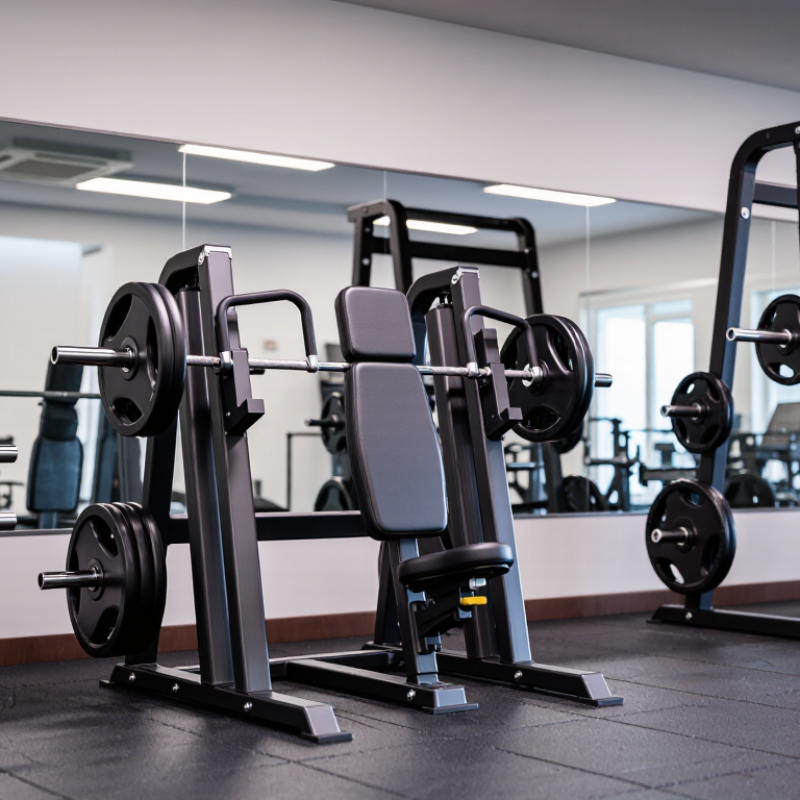
What Are Plate Loaded Strength Machines?

Definition and Core Features of Plate Loaded Strength Machines

Plate-loaded strength machines are resistance-training stations that use removable weight plates instead of built-in weight stacks. The plates attach to loading pegs, creating external resistance through a lever or guided movement. Users can increase the load in small, measurable steps. This supports progressive overload, a key principle in strength development.

Their core feature is a fixed movement path. A chest press, for example, guides the handles forward while the seat and back pad stabilize the body. Many machines offer adjustable seats, range-of-motion stops, multiple grips, and independent arms. These details help fit different body proportions and training goals. A stronger side can also be trained separately. That matters.

In practical gym use, plate-loaded machines often feel more natural than expected. The resistance may change across the movement because the lever angle changes. It is not always smooth. I once assumed a heavier plate automatically meant better training, but control mattered more than the number. Proper setup includes aligning the machine’s pivot with the joint, securing the seat, and keeping the plates balanced. Users should begin with a manageable load and test the motion slowly. A spotter or safety stop can add protection during demanding sets. Plate-loaded machines can build strength effectively, but they do not remove the need for technique, gradual progression, or honest attention to discomfort.

How Plate Loaded Strength Machines Work

What Are Plate Loaded Strength Machines?

How Plate Loaded Strength Machines Work

Plate-loaded strength machines use removable weight plates to create resistance. The plates sit on loading pegs connected to a lever, cable, or guided arm. When you press, pull, or extend the handle, the machine transfers force through that mechanism. Its frame controls the movement path, while the plates determine the external load.

Many machines alter resistance through cams, pivot points, or angled levers. These details change how heavy the exercise feels at different joint positions. A chest press may feel hardest near the middle, while a leg press can become demanding near full extension. This design can improve stability and help users focus on the target muscles. However, the machine does not automatically fit every body. Seat height, range of motion, and joint alignment still require careful adjustment. My early mistake was treating the numbered settings as universal. They are not.

ACSM’s 2024 Worldwide Survey of Fitness Trends continues to identify strength training as a major fitness practice. The World Health Organization recommends muscle-strengthening activities on at least two days weekly. Tips: Start with light plates and rehearse the full movement. Keep your back supported, move slowly, and avoid locking your joints forcefully. Add plates only when your technique remains consistent. A useful record includes load, repetitions, tempo, and discomfort. Muscle fatigue is expected; sharp joint pain deserves attention. Even experienced lifters can misjudge leverage on unfamiliar equipment.

What Are Plate Loaded Strength Machines? - How Plate Loaded Strength Machines Work

Data Dimension Typical Information How It Works or Why It Matters
Basic Definition A resistance-training machine that uses removable weight plates as the primary load. The user places plates on built-in loading pegs or a plate-loaded lever, then moves the machine’s handles, pads, or carriage through a guided path.
Main Resistance Source Standard or Olympic-style weight plates, depending on the machine’s sleeve diameter. Adding plates generally increases external resistance. The actual resistance felt by the user also depends on lever length, pivot position, friction, and machine geometry.
Resistance Path Usually a lever arm, pivoting linkage, guided carriage, or independent loading arm. The mechanism controls the movement path and can change the mechanical advantage at different points in the range of motion.
Common Machine Types Pressing machines, rowing machines, pulldown machines, squat machines, hack squat machines, leg presses, and hip or shoulder machines. Each design positions the body and resistance differently to emphasize particular movement patterns or muscle groups.
Primary Movement Patterns Push, pull, squat, press, row, hinge, knee extension, and knee flexion. The fixed or semi-guided path helps the user repeat a specific movement pattern with less need to stabilize the equipment than with free weights.
Muscles Trained Varies by machine; examples include the chest, shoulders, back, arms, quadriceps, hamstrings, glutes, and calves. The seat, pads, handles, and direction of resistance influence which joints and muscles perform most of the work.
Loading Procedure Place plates evenly on the designated loading sleeves and secure them with appropriate collars when required. Balanced loading helps reduce unwanted twisting and keeps the machine operating as intended.
Weight Progression Progression is made by adding small plate increments, increasing repetitions, or improving range of motion and control. Small plates can support gradual progression, although the smallest practical increment depends on the available plates and the machine’s design.
Adjustability Common adjustments include seat height, back-pad angle, range-of-motion stops, handle position, and footplate position. Correct adjustment helps align the user’s joints with the machine’s intended pivot and improves comfort and control.
Movement Guidance Most plate-loaded machines provide a fixed or partially fixed movement path. Guidance can make the exercise easier to learn and may reduce balance demands, but it may also allow less freedom to adjust the path naturally.
Independent Arms Some machines use separate loading arms for the left and right sides. Independent arms can require each side to contribute its own share of the load and may help reveal strength differences between sides.
Stability Requirement Generally lower than for barbell or dumbbell exercises, but it is not eliminated. The machine supports part of the body and guides the load, while the user still needs to brace, maintain posture, and control the movement.
Safety Features Possible features include safety stops, adjustable catches, locking mechanisms, protective guards, non-slip footplates, and plate-retention collars. Safety features limit unintended movement or help prevent plates from shifting, but they do not replace correct setup and controlled lifting technique.
Advantages Clear exercise setup, adjustable resistance, guided movement, and compatibility with progressive resistance training. They can be useful for beginners, experienced lifters, rehabilitation settings, and focused training when the machine fits the user’s body and goals.
Limitations Large floor-space requirements, manual plate changes, limited movement freedom, and potentially different resistance through the range of motion. A machine may not suit every body shape or movement preference, so adjustment options and individual comfort should be checked before heavy loading.
Maintenance Considerations Inspect pivot points, bolts, pads, loading sleeves, safety stops, and protective guards regularly. Routine inspection helps identify loose hardware, damaged components, excessive wear, or unusual movement before continued use.
Best Practice for Use Adjust the machine, begin with a manageable load, use a controlled range of motion, and avoid exceeding the equipment’s stated capacity. Proper setup and gradual progression improve exercise quality and reduce the likelihood of losing control of the load.

Note: Resistance feel, adjustment range, and maximum load vary by machine design. Always follow the equipment’s instructions and inspect the machine before use.

Main Types and Exercise Applications

What Are Plate Loaded Strength Machines?

Plate-loaded strength machines use external weight plates and a lever or guided movement path. They are common in gyms because they combine free-weight loading with more controlled positioning. The main types include chest presses, shoulder presses, hack squats, leg presses, rows, and pulldown machines. Each design supports a specific movement pattern, but body proportions can change the experience.

A chest or shoulder press suits horizontal and vertical pushing strength. A row develops upper-back pulling power, while a pulldown trains the muscles used in vertical pulling. Hack squats and leg presses apply resistance to the hips, thighs, and glutes with less balance demand than barbell squats. These machines help users add weight in small steps, track progress, and repeat consistent technique. However, the fixed path may not suit every joint. A machine can feel safer, but that feeling is not proof of perfect alignment.

Tips: Adjust the seat so handles match your natural pressing or pulling path. Begin with light plates and test the range slowly. Keep your back supported when the machine requires it. Avoid locking joints forcefully at the end of each repetition. A controlled lowering phase often reveals weak positions. I have found that users sometimes chase heavier plates before learning the machine’s starting position. That mistake is easy to correct, but it deserves attention. Stop if sharp pain appears, and seek qualified guidance when movement remains unclear.

Benefits and Limitations for Strength Training

What Are Plate Loaded Strength Machines?

Plate-loaded strength machines use weight plates to create resistance through a guided movement. Unlike free weights, the machine controls much of the exercise path. This can make training feel more stable, especially during pressing, rowing, or leg exercises. The lifter usually adds plates to external loading pegs. Small changes can significantly affect effort.

The main benefit is practical strength development with clear progression. Adding one plate creates a visible training target. The supported position may also reduce balance demands, allowing more attention on the working muscles. This suits beginners, rehabilitation phases, and experienced lifters seeking controlled volume. It can feel reassuring. The equipment often permits hard sets with less concern about dropping a bar. However, that comfort does not guarantee perfect technique.

Plate-loaded machines have limitations. Their fixed path may not match every person’s joint structure. A shoulder press can feel smooth for one lifter but awkward for another. There is also no automatic safety system if fatigue causes poor positioning. Loading and unloading plates takes time, particularly in busy gyms. I have sometimes mistaken machine stability for genuine readiness. That was a useful lesson. Weight should increase only when range of motion, control, and breathing remain consistent. Machine strength may not transfer fully to sports or daily tasks because stabilizing muscles work differently. Adjust the seat, handles, and starting position carefully. A small setup error can shift stress toward the joints.

What Are Plate-Loaded Strength Machines?

Plate-loaded strength machines use removable weight plates as external resistance. They guide the movement along a fixed or semi-fixed path, combining adjustable loading with more stability than most free-weight exercises.

Benefits and Limitations for Strength Training

  • Benefits: Guided movement can reduce balance demands, support consistent technique, and make it easier to focus on the target muscles. Plate loading also allows substantial resistance increases without relying on a machine’s built-in weight stack.
  • Limitations: The fixed movement path may not suit every user’s joint structure or preferred technique. Loading and unloading plates can take longer, and the resistance profile may vary through the range of motion depending on the machine’s lever design.
  • Chart note: The chart shows commonly used nominal plate sizes in kilograms. Actual availability and plate standards may vary by facility.

Safety, Setup, and Maintenance Considerations

What Are Plate Loaded Strength Machines?

Plate-loaded strength machines use weight plates to create resistance through guided levers. Their stable movement can help users train with confidence, but safety still depends on careful setup. Inspect the frame, handles, pins, and pivot points before every session. Look for loose bolts, damaged padding, or unusual movement. Small faults can become serious problems.

Load equal plates on both sides. Secure them with collars. Keep the starting weight modest, especially when learning the machine’s path. Adjust the seat, back pad, and range-of-motion stops so your joints align with the machine’s pivots. Your knees, hips, shoulders, and elbows should move naturally. Stop if the movement causes sharp pain. A spotter may help with heavy pressing exercises, but they cannot replace proper technique.

Maintenance should be practical and consistent. Wipe sweat from contact surfaces after use, and check moving parts according to the equipment manual. Lubricate only where approved; excess lubricant can attract dust and affect control. Keep plates stored neatly so people do not trip near the machine. Record repairs and inspections, even if the log feels unnecessary. It creates accountability and reveals repeated problems. I have found that users often rush adjustments, then blame the equipment for discomfort. That assumption deserves reconsideration. Safety begins before the first repetition.

FAQS

What are plate-loaded strength machines?

They use removable weight plates instead of built-in weight stacks. Plates attach to loading pegs and create resistance through levers or guided paths.

How do these machines support strength development?

Users can increase resistance in small, measurable steps. This supports progressive overload and makes training progress easier to track.

Which exercises can be performed on these machines?

Common options include chest presses, shoulder presses, rows, pulldowns, hack squats, and leg presses. Each machine targets a specific movement pattern.

Why might someone choose a machine over free weights?

The guided path provides more positioning control and reduces balance demands. This can help users repeat similar technique during each set.

How should I adjust a machine before exercising?

Align the pivot with the moving joint. Set the seat securely, match the handles to your natural path, and balance the plates evenly.

Should I begin with heavy plates?

No. Start with a manageable load and test the motion slowly. Control matters more than the largest plate.

Can these machines train one side separately?

Some machines have independent arms. They can help address strength differences between the left and right sides.

Are plate-loaded machines always smooth and safe?

Not always. Resistance can change as the lever angle changes, and a fixed path may not suit every joint. Stop when sharp pain appears.

Conclusion

Plate-loaded strength machines are resistance-training systems that use removable weight plates to create adjustable loads. Unlike free weights, these machines guide the movement along a controlled path, often supporting the user’s posture and reducing the need to balance the equipment. They typically include frames, loading pegs, padded seats or supports, handles, and moving arms designed for exercises such as presses, rows, squats, leg presses, and pulls. By changing the number of plates, users can gradually increase or decrease training resistance.

These machines can improve exercise stability, make strength training more approachable, and help users focus on specific muscle groups. However, they may provide less movement freedom than free weights and require suitable plate availability and space. Safe use involves adjusting seats and supports correctly, selecting a manageable load, checking that plates are secured, and maintaining controlled movement throughout each repetition. Regular inspections of bolts, pivots, handles, pads, and loading areas also help keep the equipment reliable and safe.


Amelia

Amelia

Amelia is a dedicated marketing professional with a strong understanding of the company’s products, customers, and industry landscape. With a talent for transforming complex information into clear, practical insights, she regularly contributes expert articles to the company website, helping readers......