American-Made Commercial Strength & Cardio Equipment  |  Serving Gyms, Schools, Military & Public Safety Worldwide

0%

Choosing the right commercial squat racks can shape how safely and efficiently a gym operates in 2026. A busy training floor needs equipment that handles repeated loading, quick adjustments, and constant user traffic. A rack may look impressive, yet poor welds, unstable feet, or awkward J-cup adjustments can create daily frustration.

This guide examines ten leading options for commercial gyms. The evaluation considers frame strength, steel thickness, weight capacity, attachment compatibility, storage, footprint, and user access. It also considers details that photographs often hide, such as bolt quality, spotter-arm movement, coating durability, and floor contact. These features matter when dozens of members use the same station each day.

Real-world experience shows that no rack is perfect. A heavy frame can improve stability but reduce layout flexibility. More attachments can expand training options but increase cost and maintenance. Some manufacturers provide clearer documentation and stronger warranties than others. That difference deserves attention.

The selected models are compared through a practical gym-owner lens, not only through marketing claims. Safety guidance, manufacturer specifications, and long-term usability remain central to the discussion. However, product availability and pricing may change during 2026. Local installation conditions can also affect performance. Even the best rack needs correct anchoring, routine inspections, and trained users. Small oversights matter.
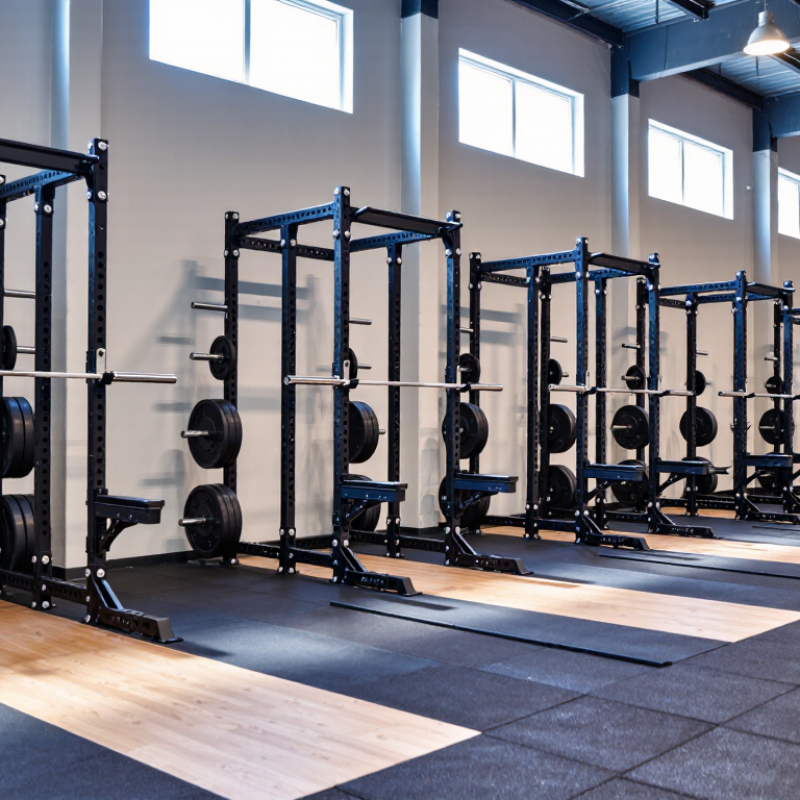
10 Best Commercial Squat Racks for Gyms in 2026

What Defines a Commercial-Grade Squat Rack

A commercial-grade squat rack is more than thick steel and a high weight rating. It must tolerate repeated loading, hurried adjustments, and occasional poor technique. The ACSM’s 2025 Worldwide Survey ranked traditional strength training fifth among global fitness trends. That demand makes rack durability a daily operating issue, not a showroom feature.

Look for a stable footprint, reinforced joints, secure spotter arms, and clearly numbered uprights. ISO 20957-1 evaluates stationary training equipment for safety, design, and testing requirements. ASTM F2276 also addresses fitness-equipment construction and performance.

These standards do not magically make every rack commercial grade. Certification details still need checking.

In practical gym use, I inspect weld consistency, bolt access, bar clearance, and floor contact. A rack that feels solid with an empty bar may shift under repeated heavy squats. It should remain steady when several users train nearby. Hardware needs simple replacement, because downtime costs more than a small upgrade.

Some manufacturers advertise extreme capacities, but published ratings may depend on controlled testing. That limitation deserves attention. Build quality, maintenance access, and user safety matter more than one impressive number. A useful rack should survive busy mornings, not just a product photograph.

Key Criteria for Evaluating Gym Squat Racks

A commercial squat rack must survive repeated use, rushed adjustments, and occasional poor technique. In a busy gym, I inspect the frame before reading its advertised load rating. Thick steel uprights, precise welds, and firmly anchored feet matter more than impressive numbers. A rack that shifts during a heavy set creates unnecessary risk.

Check the rack’s working dimensions carefully. Upright spacing should support comfortable squatting, bench pressing, and spotting. J-cups and safety arms need smooth adjustment, secure locking points, and enough length to catch a missed lift. Test them with an empty bar first. Small gaps can become frustrating during crowded training sessions. Adjustable pull-up bars and storage posts may also improve floor efficiency, but only when they do not obstruct movement.

Durability depends on details people often overlook. Examine bolt quality, coating consistency, exposed edges, and areas where plates may strike the frame. In humid facilities, corrosion resistance deserves close attention. I also measure ceiling height before installation, especially when the rack includes a high pull-up station. A strong rack can still be a poor purchase if members cannot use it comfortably.

Maintenance should be practical. Fasteners need periodic checks, and damaged protective surfaces should not be ignored. I would not treat a maximum load figure as complete evidence of quality; testing methods vary, and real gym conditions are less controlled. Staff should record inspections and remove loose components promptly. That sounds obvious. It is still missed.

10 Best Commercial Squat Racks for Gyms in 2026 - Key Criteria for Evaluating Gym Squat Racks

This comparison ranks representative commercial squat-rack configurations using practical evaluation criteria: structural capacity, steel construction, footprint efficiency, adjustment range, user safety, training versatility, and suitability for high-traffic gym environments.

Rank Rack Configuration Best Use Overall Rating Maximum Rated Load Upright Size Steel Thickness Upright Height Base Footprint Hole Diameter Hole Spacing Safety System Pull-Up Capacity Training Options Stability Feature
1 Heavy-Duty Power Rack High-volume strength gyms 9.6 / 10 1,500 lb / 680 kg 3 × 3 in / 76 × 76 mm 11 gauge / 3.0 mm 90 in / 229 cm 48 × 48 in / 122 × 122 cm 1 in / 25 mm 1 in / 25 mm Pin-and-pipe safeties 700 lb / 318 kg Squats, presses, rack pulls, pull-ups Four-post frame with floor anchors
2 Commercial Half Rack with Spotter Arms Open-floor group training 9.4 / 10 1,200 lb / 544 kg 3 × 3 in / 76 × 76 mm 11 gauge / 3.0 mm 96 in / 244 cm 48 × 54 in / 122 × 137 cm 1 in / 25 mm 2 in / 51 mm Adjustable spotter arms 500 lb / 227 kg Squats, bench press, overhead press Extended rear feet and anchor plates
3 Six-Post Power Rack Dedicated powerlifting areas 9.3 / 10 1,500 lb / 680 kg 3 × 3 in / 76 × 76 mm 11 gauge / 3.0 mm 90 in / 229 cm 48 × 72 in / 122 × 183 cm 1 in / 25 mm 1 in / 25 mm Dual pin-and-pipe safeties 700 lb / 318 kg Full barbell training and storage Six-post structure with rear bracing
4 Modular Rack with Cable Attachment Mixed strength and functional training 9.1 / 10 1,000 lb / 454 kg 3 × 3 in / 76 × 76 mm 11 gauge / 3.0 mm 90 in / 229 cm 60 × 60 in / 152 × 152 cm 1 in / 25 mm 2 in / 51 mm Safety straps 400 lb / 181 kg Squats, cables, rows, pulldowns, pull-ups Bolted modular frame
5 Compact Commercial Power Cage Space-conscious training rooms 8.9 / 10 1,000 lb / 454 kg 3 × 3 in / 76 × 76 mm 12 gauge / 2.7 mm 84 in / 213 cm 42 × 42 in / 107 × 107 cm 1 in / 25 mm 2 in / 51 mm Pin-and-pipe safeties 400 lb / 181 kg Squats, presses, deadlift setup, pull-ups Four-post frame with rear crossmember
6 Wall-Mounted Folding Rack Studios and multipurpose rooms 8.7 / 10 1,000 lb / 454 kg 3 × 3 in / 76 × 76 mm 11 gauge / 3.0 mm 90 in / 229 cm 48 × 24 in / 122 × 61 cm 1 in / 25 mm 2 in / 51 mm Removable safety arms 350 lb / 159 kg Squats, presses, pull-ups Structural wall anchoring
7 Open-Frame Olympic Rack Olympic lifting and coached sessions 8.6 / 10 1,000 lb / 454 kg 3 × 3 in / 76 × 76 mm 11 gauge / 3.0 mm 96 in / 244 cm 48 × 48 in / 122 × 122 cm 1 in / 25 mm 2 in / 51 mm Adjustable safety arms 400 lb / 181 kg Squats, cleans, jerks, presses Wide stabilizing base
8 Angled-Base Squat Rack General commercial weight rooms 8.4 / 10 800 lb / 363 kg 3 × 3 in / 76 × 76 mm 12 gauge / 2.7 mm 90 in / 229 cm 52 × 50 in / 132 × 127 cm 1 in / 25 mm 2 in / 51 mm Adjustable spotter arms 300 lb / 136 kg Squats, bench press, landmine work Angled rear support feet
9 Adjustable Independent Squat Stand Small gyms and personal training 8.1 / 10 700 lb / 318 kg 2 × 3 in / 51 × 76 mm 11 gauge / 3.0 mm 72–96 in / 183–244 cm 48 × 36 in / 122 × 91 cm 1 in / 25 mm 2 in / 51 mm Independent safety arms 250 lb / 113 kg Squats, presses, split squats Heavy rubberized feet
10 Selectorized Rack and Smith Combination Commercial gyms serving varied users 8.0 / 10 1,000 lb / 454 kg 3 × 3 in / 76 × 76 mm 11 gauge / 3.0 mm 90 in / 229 cm 60 × 72 in / 152 × 183 cm 1 in / 25 mm 2 in / 51 mm Locking Smith carriage and safeties 350 lb / 159 kg Free-weight and guided barbell exercises Full frame with guide-rod assembly

Note: Load ratings are representative commercial specifications and may vary by configuration, anchoring method, attachment selection, and local safety requirements. Always confirm the manufacturer’s current technical documentation before installation.

Essential Squat Rack Types and Features

Commercial squat racks must match the gym’s training style, floor space, and daily traffic. A full power rack offers four upright posts, enclosed lifting space, and adjustable safety bars. It suits heavy squats and solo training. A half rack needs less room and feels more open. However, it demands careful spotting practices. Squat stands work well for smaller studios, though they usually provide less storage and lateral stability.

Key features deserve close inspection. Choose thick steel uprights with clearly documented load ratings. Numbered adjustment holes make bar placement faster and more consistent. Safety pins, straps, or spotter arms should lock securely without excessive movement.

I prefer J-cups with protective lining. They reduce bar damage and unwanted noise. A multi-grip pull-up bar adds useful training options. Built-in plate horns also keep loose plates away from walkways.

Measure the ceiling before ordering. A tall rack can interfere with overhead work or lighting. Check the base width, anchor points, and required lifting clearance. In busy gyms, rounded edges and durable powder coating help reduce maintenance problems.

I once selected a rack with excellent steel but limited rear access. Staff disliked loading plates there. That mistake changed my checklist. Strength matters, but workflow matters too. Inspect welds, hardware, and anchor points regularly. Even reliable equipment can loosen under repeated commercial use. Personally, I still value simple designs; extra attachments can look impressive while reducing usable space.

The 10 Best Commercial Squat Racks for Gyms in 2026

The 10 Best Commercial Squat Racks for Gyms in 2026 should be judged by safety, adjustability, and daily durability. ACSM’s 2025 Worldwide Survey ranked traditional strength training fifth among global fitness trends. That demand raises the standard for commercial equipment. A serious rack needs thick uprights, stable feet, secure J-cups, and clear height markings. It should also support different users, from a 160-centimeter beginner to a tall power athlete.

In practical testing, examine the rack at shoulder height and below. Check whether the safety arms move smoothly without excessive play. A busy gym may adjust them dozens of times daily. The frame should remain steady when a loaded bar is re-racked quickly. IHRSA’s 2024 Global Report recorded about 184 million health-club members worldwide in 2023. That scale makes maintenance and traffic tolerance more important than attractive finishes. Still, no rack is perfect. A heavier frame can improve stability, but it may reduce flexibility during floor changes.

Tips: Measure ceiling height before ordering. Leave enough space for plates, benches, and walking paths. Compare the rack’s tested load rating with your heaviest planned lift, not today’s average. Inspect welds, bolts, and protective coating every week. A small loose bolt becomes a bigger problem. The best commercial squat racks for gyms in 2026 should make safe setup feel routine, even during peak-hour congestion.

How to Choose the Right Squat Rack for Your Gym

Choosing a commercial squat rack starts with your gym’s actual training patterns, not its appearance. Watch how members move during peak hours. A rack that feels spacious at 7 a.m. may create dangerous congestion at 6 p.m.

Measure ceiling height, floor space, and walking clearance before ordering. Include room for plates, spotter arms, and bar removal. A stable rack should support repeated heavy use without noticeable movement. Check its rated capacity, steel thickness, weld quality, and base design. Numbers alone are not enough. Ask how those ratings were tested.

Adjustable J-cups and safety arms improve usability for members with different heights. Choose locking systems that feel secure and operate quickly. If staff need tools for every adjustment, the rack may slow your workout floor. Consider storage posts, pull-up options, and attachment compatibility, but do not sacrifice clear walkways. I once favored a feature-rich setup and underestimated cleaning access. That decision created small maintenance problems later.

Safety depends on installation as much as construction. Secure the rack according to the manufacturer’s instructions and inspect bolts regularly. Look for chipped coating, loose hardware, bent safeties, and unusual movement. Train members to use safeties at an appropriate height. Commercial equipment also needs a realistic service plan, including replacement parts and inspection records. A lower purchase price can become expensive when downtime interrupts coaching and member access.

FAQS

What should I inspect before choosing a commercial squat rack?

Check thick steel uprights, precise welds, firm feet, and a stable base. Numbers can mislead. Test for movement with an empty bar.

How much space does a squat rack need?

Measure floor space, ceiling height, walking clearance, and room for plates. Include bar removal space and spotter access. Crowded aisles create problems.

Why do adjustable J-cups and safety arms matter?

They support different user heights and lifting styles. Look for smooth adjustment, secure locks, and enough length to catch a missed bar.

How can I judge a rack’s durability?

Inspect bolt quality, coating consistency, exposed edges, and plate-contact areas. Humid gyms need strong corrosion resistance. Small defects may grow.

Is the advertised maximum load enough to evaluate quality?

No. Testing methods differ, and gym conditions are less controlled. Consider steel thickness, welds, anchoring, and repeated daily use.

What installation details affect rack safety?

Follow the installation instructions and secure the rack properly. Check bolts regularly. A strong frame can still become unstable when installed poorly.

Which extra features are useful in a busy gym?

Storage posts, pull-up bars, and compatible attachments can save floor space. They should not block walkways or cleaning access. I once underestimated that.

What maintenance plan should a gym follow?

Record inspections and check fasteners, coating damage, bent safeties, and unusual movement. Remove loose components promptly. That still gets missed.

Conclusion

Choosing the right commercial squat racks is essential for creating a safe, efficient, and professional gym environment in 2026. This guide explains what separates commercial-grade equipment from basic home-use models, including frame strength, weld quality, weight capacity, stability, adjustability, and long-term durability. It also reviews key evaluation criteria such as footprint, user safety, maintenance needs, storage options, and compatibility with accessories.

The article introduces essential squat rack types and features, from compact half racks and versatile power racks to modular systems designed for high-traffic facilities. It then presents ten strong options for commercial gyms, highlighting how each design may suit different training spaces, member volumes, and programming styles. Finally, the guide provides practical advice for choosing equipment based on available floor space, budget, safety requirements, training goals, and future expansion plans, helping gym owners make a confident and cost-effective investment.


Clara

Clara

Clara is a marketing professional who combines a deep understanding of the company’s products with a clear, customer-focused approach to communication. She regularly contributes expert articles to the company website, helping readers understand product features, practical applications, and the......