Japan’s commercial fitness ecosystem is undergoing a dramatic structural transformation. Driven by high commercial real estate rents in metropolitan hubs such as Tokyo (Shinjuku, Shibuya, Ginza), Osaka (Umeda, Namba), and Nagoya, commercial gym operators are actively shifting away from bloated single-function machinery toward highly compact, modular, and multi-functional strength training systems. Multi-station gyms—often referred to as 4-stack, 5-stack, or 8-stack multi-jungle cable machines—have become the cornerstone for modern Japanese fitness club layout planning.
For Japanese B2B buyers, gym franchise developers, corporate wellness buyers, and equipment importers, sourcing directly from specialized original equipment manufacturers (OEM) and exporters requires a deep understanding of localized compliance, spatial efficiency, floor weight distribution standards, and biomechanical precision. This industry guide outlines the technical specifications, architectural adaptation guidelines, export logistics, and OEM manufacturing capabilities essential for deploying commercial multi-station fitness equipment successfully in the Japanese market.
Key Market Insight for Japanese Sourcing Managers: In Japanese urban facilities, revenue per square meter (坪単価 - Tsubo Tankai) dictates equipment purchasing decisions. Multi-station gyms engineered with dual-use selectors, low-noise weight stacks, and compact footprints yield up to 40% higher member throughput per unit area compared to traditional single-station layouts.
To successfully capture user intent in Japan, manufacturers and exporters must align engineering with four macro trends defining the Japanese fitness sector:
The rapid expansion of low-cost, 24/7 automated micro-gym models (such as ChocoZAP, Fit Place 24, and independent local micro-studios) has heightened the demand for intuitive, ultra-durable multi-station machines. Unstaffed operations necessitate multi-gym stations with shielded pulley housings, clear instructional graphics, magnetic selector pins, and minimal maintenance cables to ensure member safety without constant supervision.
Most commercial buildings in Tokyo and Yokohama are multi-story tenant structures with strict floor-load capacity limits (typically restricted to 300–350 kg/m² for standard tenant zones unless structurally reinforced) and low ceiling clearances (often between 2.4m and 2.6m). Exported multi-station gyms must feature broad weight-dispersion base plates, low-profile top pulleys, and modular frame designs that can pass through standard Japanese elevators (900mm width).
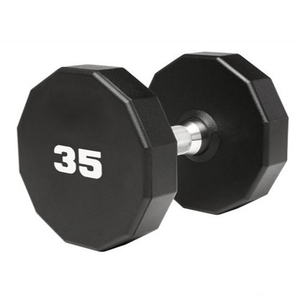
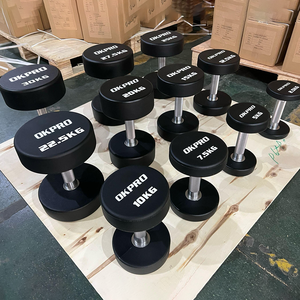
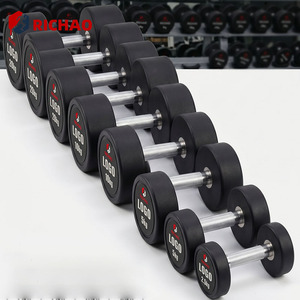
Japanese commercial lease contracts stringently regulate acoustic transference (騒音対策 - So-on Taisaku) to avoid disturbing neighboring business tenants. Leading exporters specify self-lubricating nylon/POM pulleys, rubber-cushioned weight stack bumpers, noise-dampening guide rods, and heavy urethane-coated free weights (such as 12-sided CPU dumbbells and bumper plates) to eliminate metallic clatter during peak workout hours.
With over 29% of Japan's population aged 65 or older, fitness centers are seeing an influx of senior users engaging in functional strength training and rehabilitation. Multi-station gyms for the Japanese market must incorporate micro-increment weight stacks (1.25kg or 2.5kg add-on weights), ergonomic start-assist pedals, low step-over heights, and non-slip textured handles to cater to diverse demographic age groups.
Multi-station gym systems engineered by top-tier factories serve specialized roles depending on the commercial operational format in Japan:
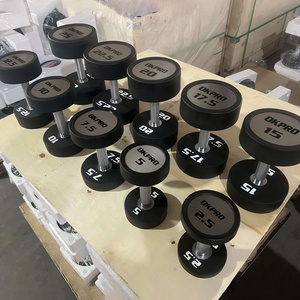
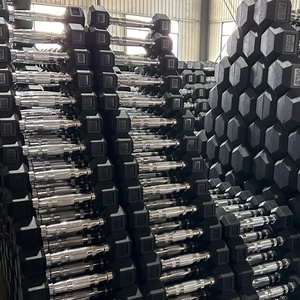
In high-density commercial districts like Shinjuku or Osaka Umeda, 4-station and 8-station cable jungles combine Lat Pulldown, Low Row, Adjustable Cable Crossover, and Triceps Pressdown into a single central pod. This layout frees up perimeter space for plate-loaded stations and free-weight dumbbell racks (such as 12-sided urethane dumbbell sets).
Japanese corporations (Kenkō Keiei initiatives) are upgrading in-house employee wellness rooms. Multi-station gyms offer high versatility for corporate staff without requiring vast floor space, accommodating multi-user lunch-hour workouts on a compact 3m x 4m footprint.
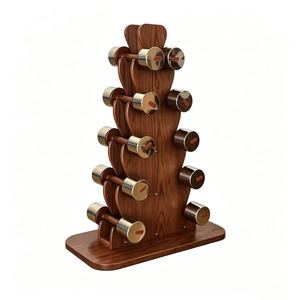
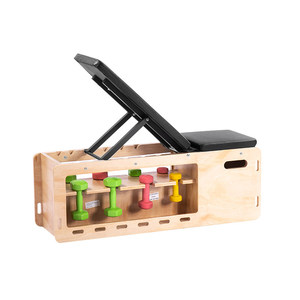
High-end residential developments ("Tower Mansions") in Roppongi, Minato-ku, and Bay Area Tokyo integrate multi-station systems paired with wooden dumbbell organizers and solid-wood adjustable benches, combining aesthetic luxury with space-saving functionality.
When evaluating multi-station gym factories for export to Japan, B2B procurement professionals must scrutinize structural engineering, raw materials, finishing treatments, and mechanical component longevity. Our factory production lines adhere strictly to American and European commercial equipment standards (ASTM F2276 / EN 957 / ISO 20957), reinforced by heavy-gauge steel fabrication techniques.
| Engineering Component | Standard Factory Specification | Japanese Market Optimized Grade | Operational Advantage |
|---|---|---|---|
| Main Frame Steel | 50x100mm, 2.5mm Gauge Q235 Tube | 60x120mm / 50x100mm 3.0mm (11-Gauge) Heavy Steel | Maximum structural rigidity, zero flex under maximum weight stack load, extended 15+ year structural lifespan. |
| Cable System | 7x19 Strand 5mm Aircraft Cable (700kg rating) | 7x19 Strand 5.8mm USA-Made Cable (1000kg Tensile Rating) | Pre-stretched, high flex resistance, smooth glide over high-speed nylon pulleys. |
| Pulley Wheels | Fiberglass-reinforced Nylon Pulleys | Deep-groove Sealed Bearing Aluminum / High-Density Nylon Pulleys | Silent motion execution, eliminates cable wear and unwanted acoustic resonance in tenant buildings. |
| Weight Stacks | Cast Iron Solid Stacks | Precision Cold-Rolled Steel Stacks with Magnetic Pin & Rubber Cushioning | Accurate weight calibration (±1%), smooth vertical travel, silent plate impact. |
| Surface Coating | Single-layer Electrostatic Powder Coating | Dual-Coat Thermosetting Electrostatic Powder Coat + Anti-Rust Primer | Resists sweat corrosion, chipping, and scratch damage under high daily humidity. |
| Upholstery & Foam | Standard PVC Leather + Recycled Foam | High-Density Molded PU Foam + Commercial Grade Anti-Bacterial Urethane Leather | Ergonomic support, non-absorbent, crack-resistant leather complying with VOC indoor environmental standards. |
Drawing on decades of commercial gym equipment manufacturing expertise—derived from proven OEM/ODM practices, precision laser cutting, robot-welded frame structures, and rigorous Quality Control (QC)—our facility provides end-to-end manufacturing solutions tailored for Japanese importers.
We provide full 2D layout planning and 3D CAD visualization tailored to Japanese room dimensions. Our design team adjusts frame height, cable pulley ratios (1:1 or 2:1), and color finishes (matte black, gunmetal gray, custom brand colors) to seamlessly match your club's interior design language.
Every multi-station gym undergoes pre-assembly inspection before leaving the factory floor. We test cable tension balance, pulley alignment, weight stack pin engagement, and powder coat thickness (≥120 microns) to guarantee out-of-the-box performance upon arrival at Japanese ports.
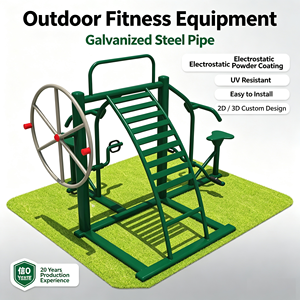
Beyond multi-station core frames, we supply matching commercial free weight ecosystems: 12-sided CPU urethane dumbbells, vertical red oak dumbbell racks, solid-wood adjustable workout benches, and eco-friendly outdoor park fitness apparatuses, enabling single-source container consolidation.
We handle streamlined ocean freight, protective wood-crate packaging, and complete customs documentation for shipping to key Japanese port destinations including Yokohama, Tokyo, Kobe, Osaka, and Nagoya, ensuring hassle-free clearance and timely project rollout.
Partner with an established multi-station gym factory committed to precision engineering, space optimization, and direct factory pricing. Contact our export specialists today for customized layout consultation, detailed OEM catalogs, and quick B2B quotations.
Contact Us