

Comprehensive Guide to Sourcing Commercial Crossfit Rigs & Functional Racks
The global functional fitness market has transitioned from basic strength training setups to highly modular, multi-functional rig ecosystems. For facility directors, commercial gym owners, military base athletic planners, and high-volume equipment importers, identifying top trusted Crossfit rigs factories and suppliers requires an in-depth evaluation beyond initial price points. A commercial rig serves as the structural centerpiece of any box, fitness center, or tactical readiness facility, handling heavy barbell impacts, high-velocity pull-up gymnastics, wall-ball dynamics, and suspension training simultaneously.
This whitepaper provides an exhaustive technical roadmap covering structural engineering standards, factory manufacturing workflows, supply chain dynamics, dynamic load tolerances, and long-term facility monetization strategies.
1. Metallurgical & Structural Specifications of Commercial Rigs
When procuring functional training rigs for commercial or institutional deployment, structural integrity is paramount to user safety and equipment longevity. Low-tier consumer rigs frequently utilize 2" x 2" 14-gauge (2.0mm) tubing, which suffers from severe frame movement, metal fatigue, and bolt-hole elongation over short periods of heavy use. True commercial-grade facilities require strict adherence to standard industrial metrics:
- Structural Steel Gauge: Premium manufacturers utilize 11-gauge (nominal 3.0mm) or heavy-duty 7-gauge (nominal 4.5mm) structural steel. The 3" x 3" (75mm x 75mm) 11-gauge standard provides optimal moment of inertia, preventing structural twisting during synchronized multi-athlete kipping routines.
- Upright Laser Hole Spacing: Professional rigs incorporate 2-inch center-to-center hole spacing along working zones, frequently featuring Westside hole spacing (1-inch intervals through the bench press zone) to allow precise J-Cup and safety spotter arm adjustments. Laser-cutting technology guarantees hole tolerance within ±0.1mm, eliminating attachment slop.
- Hardware & Fastener Grade: Frame connections should utilize minimum Grade 8.8 structural bolts (or 1/2" to 5/8" zinc-plated/black oxide hardware) paired with heavy-duty lock washers and nylon-insert lock nuts to resist dynamic vibration loosened by high-intensity workouts.
- Base Plate Geometry: Upright base plates must feature laser-cut gussets with a minimum thickness of 3/8" (10mm), offering multi-anchor concrete expansion bolt options for permanent floor attachment.
2. Key Manufacturing Processes in Top-Tier Rigs Factories
Understanding how a supplier manufactures their fitness infrastructure reveals whether they operate a true heavy industrial plant or a low-cost assembly shop. Leading global suppliers, such as OEM partners working alongside established brands like PMX Strength (ProMaxima), follow a rigorous production workflow:
Step A: Raw Material Inspection & Processing
Quality factories source certified Q235B or Q345B structural carbon steel tubing directly from major steel mills, performing spectral analysis and tensile stress tests before fabrication starts. Raw tubing is processed using 3D CNC fiber laser cutters, ensuring clean cut lines and exact notch profiles for crossmember junctions without thermal deformation.
Step B: Robotic Welding & Jig Standardization
Manual welding introduces human variability in penetration depth and bead consistency. Industrial leaders utilize multi-axis robotic welding cells paired with custom steel master fixtures. This guarantees 100% repeatable joint strength across thousands of upright units, eliminating frame alignment issues during field installation.
Step C: Pre-Treatment & Powder Coating
Corrosion resistance dictates the operational lifespan of a rig, especially in humid commercial facilities or coastal regions. Top factories execute a 7-stage surface pre-treatment process:
- Chemical Degreasing & Oil Removal
- Acid Pickling for Rust Stripping
- Dual Water Rinsing
- Zinc Phosphate Conversion Coating (creates a micro-porous anchor surface)
- Deionized Water Rinse
- Thermal Moisture Passivation
- Electrostatic Thermosetting Powder Coating (70-100 micron thickness baked at 200°C)
| Specification Parameter | Commercial Gym Grade | Military & Tactical Grade | Budget Consumer Grade |
|---|---|---|---|
| Tubing Profile | 3" x 3" (75 x 75 mm) | 3" x 3" / 3" x 4" Heavy Duty | 2" x 2" or 2" x 3" |
| Steel Wall Thickness | 11-Gauge (3.0 mm) | 7 to 11 Gauge (3.5 - 4.5 mm) | 14 to 16 Gauge (1.5 - 2.0 mm) |
| Welding Technology | Robotic TIG / MIG Full Bead | Robotic TIG with Reinforced Gussets | Manual Spot / Tack Welding |
| Dynamic Load Rating | 2,500 + lbs per Bay | 3,500 + lbs per Bay | 600 - 800 lbs Max |
| Finish Type | Dual-Coat Thermosetting Powder | Hot-Dip Galvanized / Armor Coat | Single-Layer Paint Spray |
| Warranty Coverage | 10 Years to Lifetime Frame | Lifetime Structural Frame | 1 Year Limited Warranty |
3. Future Procurement Trends in Functional Fitness Infrastructure (2025–2030)
As commercial fitness centers optimize floor space and seek higher ROI per square foot, crossfit rig procurement is rapidly evolving. Buyers must align their purchasing strategies with upcoming industry innovations:
A. Modular & Infinite Expansion Ecosystems
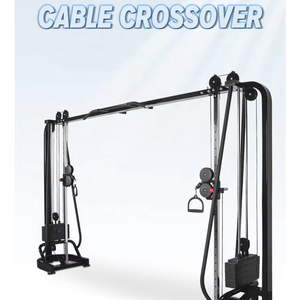
Fixed-design rigs are being replaced by modular matrix systems. Modern facility planners demand standardized hole patterns across uprights, crossmembers, pull-up bars, and storage posts. This modularity allows facilities to reconfigure a standard wall-mounted rig into a free-standing island rig, or add cable crossover stations, landmine attachments, dip bars, and jammer arms without replacing core uprights.
B. Hybrid Cable-Rig Integration
One of the fastest-growing design trends is integrating selectorized (pin-loaded) or plate-loaded cable pulley columns directly inside standard 3x3 upright bays. This hybrid approach combines traditional Olympic weightlifting and gymnastics strength work with functional cable training, saving up to 40% of dedicated gym floor space while enhancing member utilization.
C. Weather-Resistant Outdoor Tactical Rigs
Demand for outdoor training installations—specifically across military bases, university campuses, and outdoor functional fitness parks—has surged. Trusted factories now offer specialized hot-dip galvanizing (coating both inside and outside tube walls with molten zinc) combined with UV-stabilized exterior powder coating to survive salt fog, snow, and extreme solar heat without rusting.
D. Acoustic & Vibration Dampening Materials
Urban fitness facilities located in commercial buildings face strict acoustic codes. Modern rig designs incorporate high-density polyurethane (PU) or UHMW plastic linings inside J-Cups, safety spotters, and floor anchor plates to absorb metallic impact shock and suppress decibel spikes during heavy barbell drop sets.
4. Strategic Evaluation Checklist for Crossfit Rig Factory Verification
When selecting an OEM/ODM supplier from major manufacturing hubs, buyers should conduct thorough due diligence to avoid sub-standard suppliers. Use the following structured checklist during factory audits:
- Structural Engineering Certifications: Verify ISO 9001 quality management systems, ISO 14001 environmental standards, and CE / EN 957 European structural safety compliance for stationary training equipment.
- Material Test Reports (MTR): Request raw material mill certificates verifying chemical composition and yield strength (minimum 235 MPa yield strength for carbon steel uprights).
- Static & Dynamic Weight Testing: Ensure the supplier conducts destructive pull-testing and cyclical load testing. A top-tier rig bay must withstand a minimum static load of 3,000 lbs (1,360 kg) without permanent frame deformation.
- Custom OEM/ODM Prototyping Capabilities: Confirm the factory employs in-house CAD/SolidWorks engineering teams capable of delivering 2D floor plans, 3D render mockups, and custom laser-cut brand logos on crossmembers.
- Packaging & Export Protection: High-end factories utilize custom wooden crate framing, honeycomb corner protectors, bubble wraps, and moisture-absorbing silica packets to prevent scratches or rust during sea container transport.
5. Enterprise Manufacturer Strengths: PMX Strength Industry Standards
Referencing proven commercial strength manufacturing philosophies—such as those perfected by PMX Strength (ProMaxima)—delivers key insights into why American-engineered and tightly controlled factory environments dominate the high-end commercial sector:
Over 20 Years of Structural Engineering Provenance: Institutional buyers in schools, universities, military installations, and police/fire departments require equipment engineered for non-stop daily abuse. By prioritizing heavy-gauge steel framing, heavy-duty welded joints, and direct control over fabrication tolerances, suppliers eliminate post-installation failure risks.
Turnkey Project Support: Sourcing from an elite rig manufacturer involves far more than receiving boxed metal tubing. Top suppliers assist from concept to commissioning, providing complete facility 3D layout planning, floor loading calculations, customized color-matching (matching corporate fitness branding), and direct spare parts support throughout the product lifecycle.
6. Operational Optimization & Space Planning for Facility ROI
To maximize revenue per square foot, facility managers must calculate proper spatial clearances when installing functional rigs. Standard industry guidelines recommend:
- Per-Athlete Footprint: Allow a minimum 8 ft x 8 ft (2.4m x 2.4m) working footprint per lifting bay to accommodate standard 86-inch Olympic barbells and dynamic plate movement.
- Ceiling Height Clearances: Standard upright heights range from 7.5 ft (2.3m) for low-ceiling basements to 9 ft (2.75m), 12 ft (3.65m), or 15 ft (4.5m) for ring muscle-up installations. Maintain at least 3 feet of clear head room above the highest pull-up bar position.
- Wall-Mounted vs Free-Standing Rigs: Wall-mounted rigs reduce structural footprint and capital cost by utilizing existing concrete facility walls, while free-standing island rigs allow 360-degree dual-sided utilization, doubling athlete density per linear foot.