Precision-engineered strength machinery built with heavy-gauge structural steel, advanced biomechanical geometry, and commercial durability for global fitness facilities.
The global commercial strength equipment landscape has undergone a monumental shift toward high-precision, technologically integrated, and ergonomically optimized machinery. As the premier global hub for fitness hardware manufacturing, China accounts for over 70% of the world's commercial fitness equipment production. However, navigating the vendor ecosystem requires international procurement officers, gym chains, and distributors to look beyond basic unit pricing and examine structural integrity, engineering standards, material sourcing, and biomechanical efficacy.
Leading Chinese strength equipment original equipment manufacturers (OEMs) and original design manufacturers (ODMs) have evolved far beyond basic replication. Today’s premier factories operate automated 3D fiber laser cutting cells, robotic arm welding centers, multi-stage zinc phosphate anti-corrosion pretreatments, and double-layer electrostatic powder coating lines. Sourcing commercial-grade selectorized machines, plate-loaded strength stations, functional trainers, and free weights directly from top-tier Chinese manufacturers provides buyers with institutional-grade hardware at a optimized Total Cost of Ownership (TCO).
Procurement Executive Insight: Sourcing strength equipment is an investment in risk mitigation and facility uptime. A machine’s ROI is determined by frame steel gauge, bearing smoothness, cable sheath fatigue life, and long-term component availability—not merely initial landed cost.
Premium manufacturers utilize heavy-duty Q235B or Q355 structural carbon steel tubing, with wall thicknesses ranging from 2.5mm to 3.0mm+ (11-gauge steel), preventing frame deflection under maximum working loads.
Advanced CAM rotation curves and iso-lateral converging/diverging movement arcs replicate natural human muscular strength profiles, maximizing hypertrophy while suppressing joint stress.
Compliance with international regulatory framework standards including EN ISO 20957-1/2, ASTM F2276, and CE strength safety metrics ensures seamless deployment across commercial facilities worldwide.
When evaluating commercial strength equipment, structural integrity cannot be compromised. B2B buyers must analyze raw material composition, component specifications, and surface treatment protocols. Below is a detailed technical matrix contrasting full commercial-grade manufacturing benchmarks with light-commercial alternatives.
| Engineering Parameter | Full Commercial Benchmark (Tier-1 China Factory) | Light Commercial / Consumer Grade | Operational & Maintenance Impact |
|---|---|---|---|
| Frame Tube Geometry | 50x100mm or 60x120mm Heavy Oval / Flat Oval Tubing | 50x50mm or 40x80mm Square Thin-wall Tubing | Prevents structural torsion and frame sway during high-load exercises. |
| Steel Wall Thickness | 2.5mm to 3.0mm (11-Gauge Structural Carbon Steel) | 1.2mm to 1.8mm (15 to 16-Gauge Thin Steel) | Guarantees 1,000+ kg load capacity without weld fatigue or structural bending. |
| Cable System Architecture | 7x19 Strand Aircraft Steel Cable with Nylon 12 Jacket (Rating: 2,200 lbs) | 7x7 Strand Cable with PVC Sheath (Rating: 800 lbs) | Nylon 12 resists internal friction, heat degradation, and wire fraying over millions of reps. |
| Pulley & Bearing Assemblies | CNC Machined Aluminum / Anodized Alloy Pulleys with Sealed NSK Bearings | Injection-Molded Plastic / Nylon Pulleys with Open Bearings | Smooth force transfer, zero pulley wobble, and minimal cable wear across high-traffic hours. |
| Surface Coating Protocol | 3-Stage Pretreatment + Zinc Anti-Corrosion Primer + Electrostatic Powder Coat | Single-Layer Direct Spray Powder Coating | Resists sweat-induced oxidation, chipping, scratching, and humidity damage for 10+ years. |
| Upholstery Construction | High-Density Rebonded Foam core with Commercial Ultra-PU Leather | Low-Density Recycled Foam with Standard Vinyl | Resists tearing, deformation, sweat absorption, and antibacterial degradation. |
A well-balanced commercial gym layout requires a strategic mix of selectorized pin-loaded machines, plate-loaded iso-lateral stations, functional cable machines, power racks, and free weights. Each product category serves distinct member demographics and operational requirements.
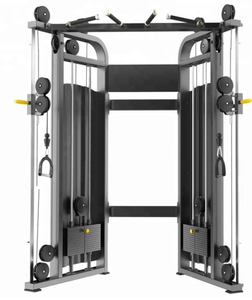
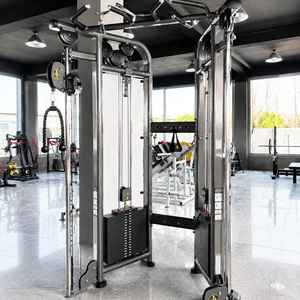
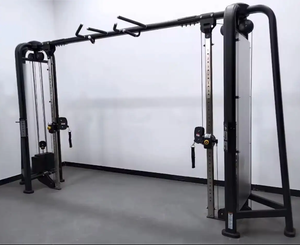
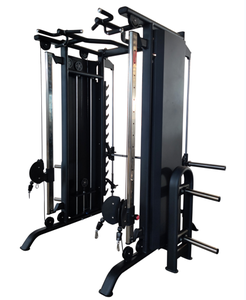
Multi-station cable machines, such as the ST-1035 Commercial Grade Functional Trainer and Commercial Functional Training System (FTS), represent the revenue workhorses of modern fitness facilities. Equipped with dual independent weight stacks, adjustable swivel pulleys, and dynamic ratio cable travel (typically 2:1 or 1:1), these stations support functional movement patterns, explosive athletic movement, and multi-planar rehabilitation drills. Key procurement factors include laser-etched height markings, smooth dual-rail carriage movement, and integrated multi-grip pull-up stations.
Selectorized units offer controlled motion paths ideal for target muscle isolation, beginner gym members, and rapid workout transitions. Professional Chinese exporters utilize precision magnetic selector pins with lanyard tethers, cold-rolled steel weight stacks with noise-dampening bushings, and ergonomic adjustment levers that allow quick seat positioning from a seated posture. Machines like cable flys, lat pulldowns, and chest presses form the foundation of high-density commercial floors.
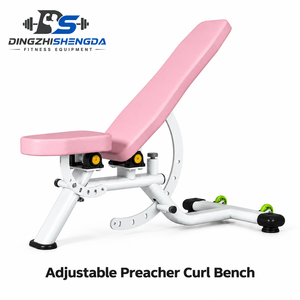
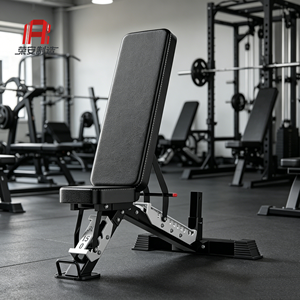
Free-weight areas require industrial-strength power racks, Smith machines, and adjustable benches designed to endure severe impact loads. Premier heavy-duty weight benches feature laser-cut adjustment arcs, high-density padding that supports the thoracic spine during heavy presses, and reinforced transport wheels. Power racks should feature 3x3-inch uprights with 11-gauge steel, 1-inch hole spacing, TPU-lined J-cups to protect barbell knurling, and integrated band pegs for variable resistance training.
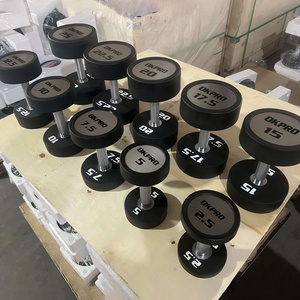
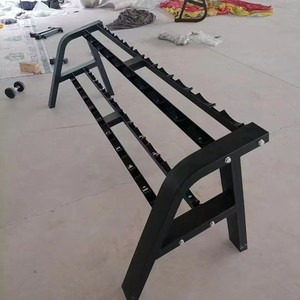
Precision urethane dumbbells (such as OKPRO Commercial Urethane Dumbbells) outperform traditional rubber-encased or cast-iron alternatives. CPU (Cast Polyurethane) chemically bonds to the solid steel handle core, eliminating head detachment risks while offering superior odorlessness, impact absorption, and aesthetic permanence. Paired with heavy-gauge steel double and triple-tier storage racks, facility owners ensure safety, organized workflow, and floor protection.
The commercial fitness equipment industry is experiencing a technological evolution. As a forward-thinking SEO growth directory and procurement authority, we highlight five definitive trends shaping future strength equipment sourcing from China:
Selectorized weight stacks and cable towers are increasingly retrofitted with digital strain gauges, optical rep counters, and Bluetooth/ANT+ transmitters. This allows members to track velocity, eccentric load, and rep counts via facility mobile apps while providing facility managers with real-time equipment usage analytics.
Environmental regulations in major Chinese manufacturing hubs (Shandong, Jiangsu, Zhejiang) have forced top-tier factories to transition toward zero-VOC powder coatings, closed-loop water recycling systems for metal pretreatment, and sustainable TPU materials, aligning with corporate ESG metrics.
As commercial floor real estate costs rise, demand is surging for modular 4-stack, 5-stack, and 8-stack jungle cable stations combined with integrated storage columns, pull-up rigs, and suspension trainer anchors to maximize square-foot revenue density.
Modern gym brands demand bespoke aesthetics. Top Chinese exporters now offer full turn-key customization: custom laser-cut logo wear plates, corporate Pantone-matched frame powder coating, micro-stitched upholstery logos, and custom color shrouds.
Partnering directly with an established Chinese commercial fitness manufacturer provides distinct competitive advantages over purchasing through domestic middleman distributors:
Bypassing multi-tier distribution channels reduces capital expenditure by 30% to 50%, allowing fitness enterprise buyers to reallocate budget toward facility technology, marketing, and operational expansion.
From raw steel ultrasonic flaw detection and CMM dimensional checking to robotic weld inspection, load testing, and trial pre-assembly before export packing, every unit undergoes strict quality validation.
Comprehensive B2B export support includes 2D/3D CAD space planning, loading optimization (maximizing 40ft HQ container cubic volume), SKD (Semi-Knocked-Down) protective packaging, and spare parts supply packages.
Below are authoritative responses to common inquiries raised by fitness facility owners, athletic directors, and commercial procurement officers during international equipment sourcing.