Explore our industrial-grade fitness machinery and weightlifting solutions engineered for high-traffic gym floors, athletic centers, and institutional facilities.
A comprehensive analysis of metallurgical composition, rotational friction mechanics, and compliance testing under European Union Safety Standard EN 957-1/2.
In high-intensity commercial training facilities, university weight rooms, and tactical conditioning units, the Olympic barbell is subjected to extreme tensile stresses, repetitive dynamic impact, and environmental corrosion. Sourcing CE Certified Olympic Weight Bars directly from a certified OEM/ODM manufacturer is essential for facility operators looking to minimize equipment failure risk, prevent structural deformation, and satisfy strict European Union health and safety directives.
The mechanical core of any commercial Olympic bar lies in its steel alloy composition and specialized heat treatment process. Standard economy bars constructed from low-grade carbon steel (such as Q235 or A36) exhibit low yield points, causing permanent bending under loads as low as 300 lbs. Commercial-grade bars manufactured under strict CE protocols utilize cold-drawn, heat-treated alloy steel—most notably 42CrMo high-tensile spring steel or AISI 4140 chromoly alloy.
Key metallurgical properties evaluate two distinct threshold indicators:
Rotational fluid mechanics within the bar sleeves determine how rotational torque is transferred to the lifter's wrists and shoulders during explosive lifts. Improper rotation mechanics increase rotational inertia, resulting in severe wrist shear stress and joint strain.
Engineered with 4 to 5 high-precision needle roller bearings per sleeve, needle bearing systems provide high-velocity spin with minimal frictional drag. Designed primarily for Olympic Weightlifting (Snatch and Clean & Jerk) where instantaneous turnover velocity is paramount.
Constructed from sintered oil-impregnated bronze or high-density composite materials. Bushing bars offer a smooth, controlled spin profile with maximum load-bearing resilience. They are the industry benchmark for Powerlifting, heavy benching, and general commercial club use.
Corrosion resistance directly impacts a weight bar's lifecycle and hygiene rating in high-humidity facility environments. Our manufacturing lines implement advanced surface treatments tested under 72-hour salt-spray environmental conditions (ASTM B117 standards):
Integrating state-of-the-art CNC machining, ultrasonic flaw testing, and rigorous raw material selection to deliver commercial strength products built for 15+ years of continuous service.
Bar shafts undergo automated lathe turning to guarantee straightness tolerances within ±0.15mm across a 2200mm length. Precision machining eliminates dynamic wobble during high-load reps.
Every batch of raw steel bars is scanned via ultrasonic flaw detection prior to knurling to verify zero internal micro-fractures, voids, or carbon inclusions in the core structural matrix.
Utilizing diamond-point and volcano knurling cut patterns at 1.2mm to 1.5mm depths. Custom knurl spacing guarantees aggressive grip security without skin tearing during high-rep workouts.
Our complete manufacturing pipeline operates under ISO 9001 quality management systems. All weightlifting bars comply with CE safety directives and EN 957-2 structural load standards.
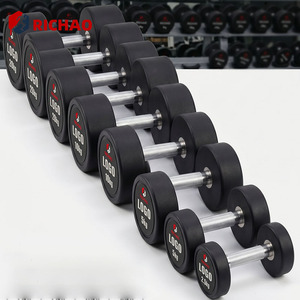
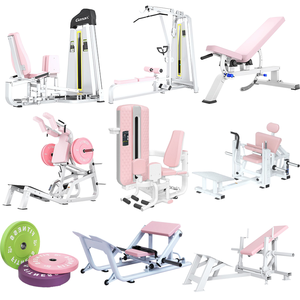
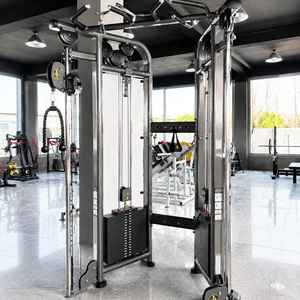
From powerlifting racks and selectorized station lines to precision-calibrated Olympic bars and polyurethane dumbbells, our complete equipment ecosystem is specified for commercial gyms, university athletic centers, military bases, and public-safety facilities worldwide.
Request Engineering CatalogReview key technical specifications across our standard CE Certified Olympic Bar product line to match your procurement specifications.
| Bar Model Specification | Tensile Rating | Rotation Mechanism | Shaft Diameter | Max Load Capacity | Ideal Application |
|---|---|---|---|---|---|
| Pro-Comp Olympic Weight Bar (2200mm) | 230,000 PSI | 10 Needle Bearings | 28.0 mm | 1,500 LBS (680 kg) | Olympic Weightlifting, Cross Training |
| Powerlifting Competition Bar | 215,000 PSI | Bronze Bushing Systems | 29.0 mm | 2,000 LBS (900 kg) | Heavy Squat, Bench Press, Deadlift |
| Commercial Multi-Purpose Bar | 190,000 PSI | Hybrid Bearing + Bushing | 28.5 mm | 1,200 LBS (540 kg) | Commercial Gym Floors, Health Clubs |
| Cerakote Color-Series Olympic Bar | 200,000 PSI | 8 Needle Bearings | 28.0 mm | 1,500 LBS (680 kg) | Custom Branded Clubs, Studio Gyms |
| Specialty Trap / Hex Deadlift Bar | 180,000 PSI | Fixed Solid Steel Sleeves | 30.0 mm | 1,000 LBS (450 kg) | Tactical Training, Rehabilitation, Deadlifts |
Analyzing key technological and supply chain shifts transforming the global commercial strength equipment landscape over the next decade.
Traditional electroplating method (such as decorative hexavalent chrome) is rapidly being phased out due to environmental compliance constraints in the EU and North America. Procurement is shifting heavily toward Physical Vapor Deposition (PVD) and eco-friendly nano-ceramic Cerakote coatings. These coatings provide superior chemical resistance, friction reduction, and eco-sustainable manufacturing footprints.
Commercial gym operators and athletic teams are demanding automated asset management. Modern CE certified Olympic bars are increasingly being manufactured with recessed RFID / IoT sensor slots in the sleeve caps. This technology enables facility managers to track usage volume, drop frequencies, and schedule maintenance cycles automatically.
ESG (Environmental, Social, and Governance) compliance is now a mandatory requirement for public tenders and major commercial gym chains. Forward-thinking manufacturers are adopting green electric-arc furnace (EAF) steel production, reducing the embodied carbon footprint of raw Olympic bar shafts by up to 60% compared to traditional blast furnace routes.
While standard 2200mm bars remain the baseline, commercial buyers are increasingly ordering bundled packages containing specialized ergonomic bars (Open Trap Bars, Safety Squat Bars, Swiss Angle Grip Bars). Facility designers prioritize these specialty bars to reduce shoulder impingement and lower back strain for diverse gym populations.
Direct technical answers addressing the most common questions raised by facility procurement teams, distributors, and equipment importers.
CE Certification verifies that the Olympic weight bar complies with European Union health, safety, and environmental protection standards—specifically standard EN 957-2 (Stationary Training Equipment - Strength Training Equipment). It ensures the bar has undergone structural dynamic fatigue testing, material safety checks, and load rating verification to guarantee safe operation under commercial conditions.
Static weight capacity indicates how much weight a bar can hold while stationary on a rack. However, dynamic lifting (such as dropping a heavy barbell from overhead) multiplies the force exerted on the shaft by 300% to 500%. Tensile strength (measured in PSI) dictates the steel's structural integrity against dynamic snapping. A high tensile rating (190,000+ PSI) guarantees the bar will flex dynamically under shock loads without catastrophic failure.
Our direct-from-factory OEM/ODM manufacturing options accommodate custom laser-etched end cap logos, custom Cerakote shaft coloring, and branded packaging. Standard MOQ for custom laser end caps starts at 50 units, while full Cerakote custom color runs typically start at 100 units. Contact our sales engineering team for detailed OEM project scoping.
Needle roller bearings utilize cylindrical rollers to deliver low-friction, high-velocity rotation—ideal for Olympic weightlifting (snatch, clean & jerk). Bronze bushings offer a more controlled, firm rotation profile with maximum resistance against drop impacts, making them the preferred, low-maintenance choice for high-volume commercial powerlifting and general fitness floors.
Export-grade Olympic bars are wrapped individually in VCI (Vapor Corrosion Inhibitor) anti-rust film, sealed inside heavy-duty 6mm protective cardboard tubes, and packed into reinforced wooden crates. This multi-stage packaging protects shafts and sleeve mechanisms from moisture, salt haze, and physical impact during long-transit ocean container shipping.
Yes. We offer fully customizable knurling profiles including passive (0.8mm), standard diamond (1.2mm), and aggressive mountain/volcano cut (1.5mm). Additionally, bars can be configured with or without center knurling depending on whether your facility prioritizes back-squat grip security or skin protection during high-volume cleans.
Whether you are outfitting a new commercial gym network, sourcing wholesale inventory for distribution, or requesting custom OEM equipment specifications, our engineering team is ready to assist.